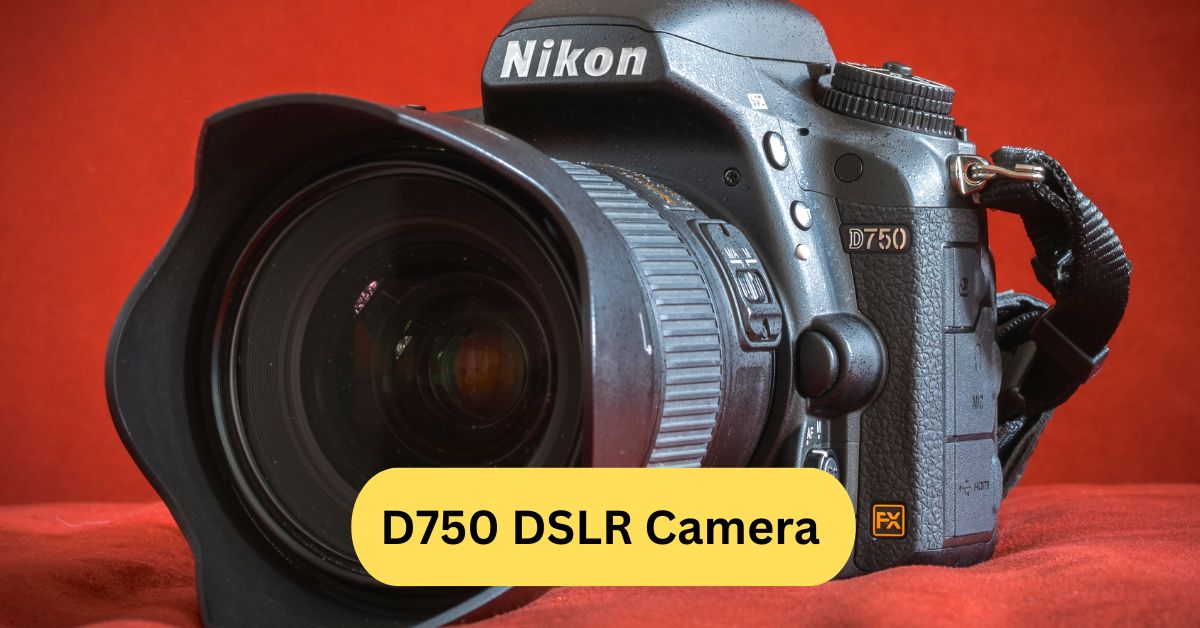
When I used the Nikon D750, I loved how confidently it handled low-light shots — the full-frame sensor captured clean, detailed images even at higher ISO. The grip felt super comfortable, and the autofocus was fast enough to catch moving subjects without stress. It’s one of those cameras that makes you trust every click.
The Nikon D750 DSLR camera is a full-frame powerhouse known for its excellent image quality, strong low-light performance, and fast autofocus system. I once used it for an outdoor shoot, and the dynamic range really impressed me—details stayed sharp even in tricky lighting. It’s a reliable choice for both photography and video.
In this article we discuss about “D750 DSLR Camera”
Table of Contents
Introduction to the Nikon D750 DSLR Camera:
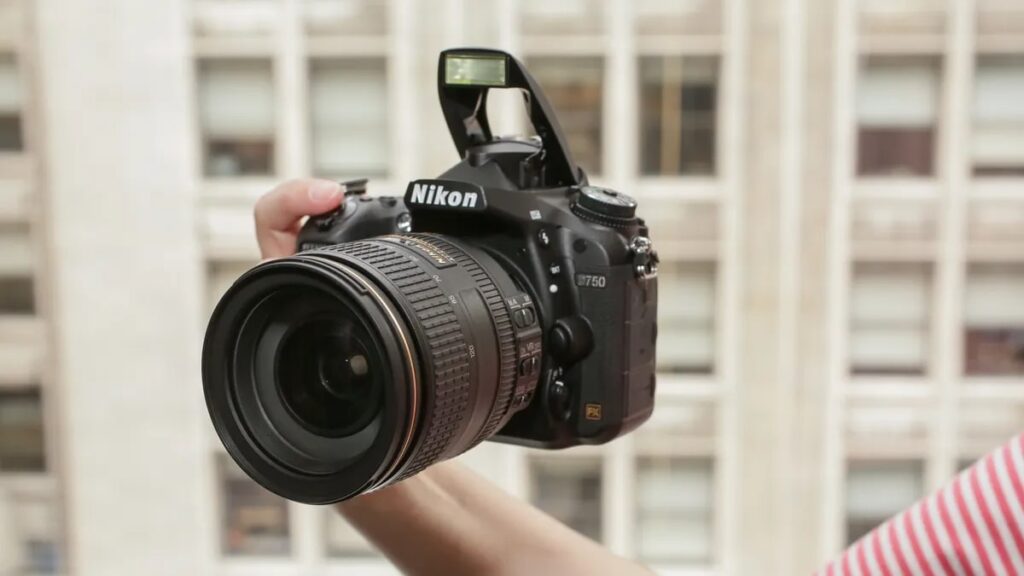
The Nikon D750 DSLR camera is one of those rare cameras that has stood the test of time. Even years after its release, photographers still praise it for its incredible image quality, reliable performance, and professional-level features packed inside a compact full-frame body. Whether you’re upgrading from a beginner DSLR or stepping into the world of full-frame photography, the D750 remains a strong contender.
History and Background of the Nikon D750:
1. When the D750 Was Released:
The Nikon D750 was launched in 2014, and despite the rise of mirrorless cameras, it continues to hold its place as one of the most balanced DSLRs ever made.
2. Who the D750 Is Made For:
It’s ideal for portrait photographers, wedding shooters, landscape lovers, and even hobbyists who want full-frame quality without spending thousands.
Key Specifications of the Nikon D750:
1. Sensor and Image Quality:
The D750 features a 24.3MP full-frame CMOS sensor that captures crisp details and vibrant colors. The clarity you get straight out of the camera feels almost like the images jump off the screen.
2. ISO Range and Low-Light Performance:
With an ISO range of 100–12,800 (expandable to 51,200), the D750 shines in dimly lit environments. Low-light photography becomes easier, whether you’re shooting indoors, at night, or under harsh shadows.
3. Autofocus System:
Its 51-point autofocus system is fast, accurate, and dependable. Even in tricky lighting, it can lock onto subjects quickly, making it great for action and portrait photography.
4. Video Recording Features:
The D750 supports Full HD 1080p recording at up to 60 fps. While it’s not a 4K camera, its video quality is clean and cinematic.
Build Quality and Design:
1. Body Material and Handling:
The D750’s body is a combination of magnesium alloy and carbon fiber, making it lightweight yet durable. It feels robust in the hand but never too heavy to carry around for long shoots.
2. Rear Screen, Viewfinder & Layout:
You get a tilting 3.2-inch LCD screen—perfect for low-angle shots—and a bright optical viewfinder that gives you a 100% field of view.
Performance and Speed:
1. Continuous Shooting:
With a burst speed of 6.5 fps, the D750 is fast enough for sports, wildlife, or weddings.
2. Buffer Capacity:
It handles RAW + JPEG files smoothly, allowing you to keep shooting without annoying slowdowns.
Real-Life Image Performance:
1. Color Accuracy:
The D750 delivers true-to-life colors with rich tones. Skin tones look natural, making it a favorite among portrait photographers.
2. Dynamic Range:
Its impressive dynamic range allows you to recover shadows and highlights, even from underexposed images.
3. Portrait, Landscape, and Sports Performance:
Whether you’re shooting rolling mountains, candid portraits, or fast-moving players, the D750 handles everything effortlessly.
Connectivity and Storage Options:
4. Wi-Fi Features:
The built-in Wi-Fi allows quick sharing and remote shooting via smartphone apps—perfect for posting on social media instantly.
5. Dual SD Card Slots:
Two SD card slots give you backup security during important shoots. You can save RAW files on one card and JPEGs on the other.
Battery Life and Usability:
1. Battery Performance:
The EN-EL15 battery gives around 1,200 shots per charge—much better than most modern mirrorless cameras.
2. Menu System and Ease of Use:
Nikon’s menu system is simple, intuitive, and organised. Even beginners can navigate it comfortably.
Lenses Compatible with the Nikon D750:
1. Best Nikon FX Lenses:
- Nikon 24-70mm f/2.8 (perfect for weddings and events)
- Nikon 70-200mm f/2.8 (excellent for sports and portraits)
- Nikon 50mm f/1.8 (great all-rounder)
2. Budget Lens Options:
- Nikon 85mm f/1.8 (sharp portraits)
- Tamron 24-70mm f/2.8 (affordable alternative)
- Nikon 24-85mm f/3.5-4.5 (budget zoom)
Nikon D750 vs Other DSLR Cameras:
1. D750 vs D610:
The D750 has better autofocus, faster performance, and more features.
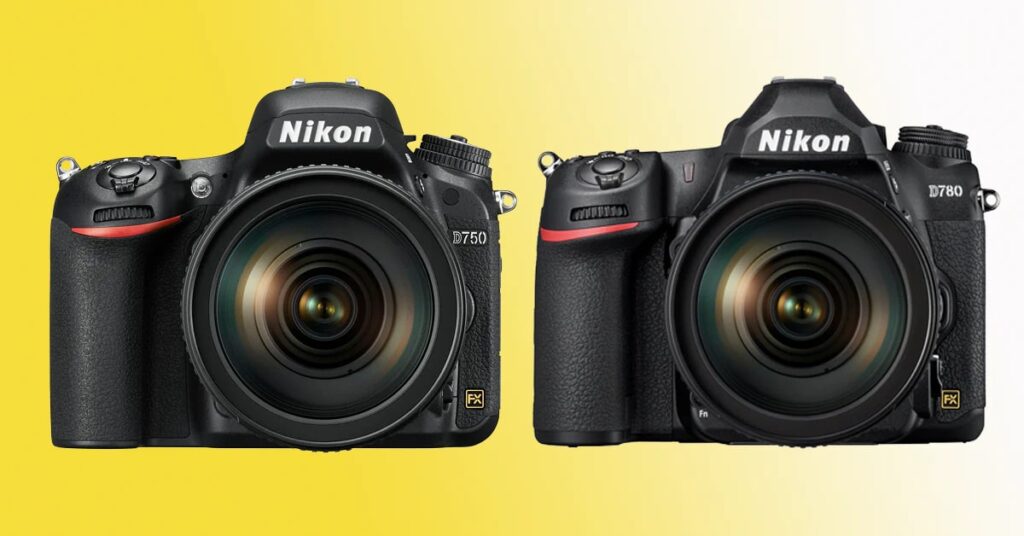
2. D750 vs D780:
The D780 offers 4K video and upgraded features, but the D750 is still better value for the price.
3. D750 vs Canon 6D Mark II:
While Canon has better Dual Pixel autofocus, the D750 wins in dynamic range and overall image quality.
Pros and Cons of the Nikon D750:
1. Pros:
- Excellent full-frame image quality
- Lightweight and comfortable body
- Great low-light performance
- Dual card slots
- Long battery life
2. Cons:
- No 4K video
- Slightly older tech
- Tilting screen, not fully articulating
Best Uses for the Nikon D750
1. For Beginners:
It’s easy to handle, forgiving, and helps you grow as a photographer.
2. For Professionals:
Wedding photographers, portrait artists, and event shooters still rely on it daily.
Is the Nikon D750 Still Worth Buying Today?
Absolutely—especially if you want professional image quality without spending too much. It offers features that still compete with modern cameras, and with the right lens, it becomes a powerhouse.
Nikon D750 specs:
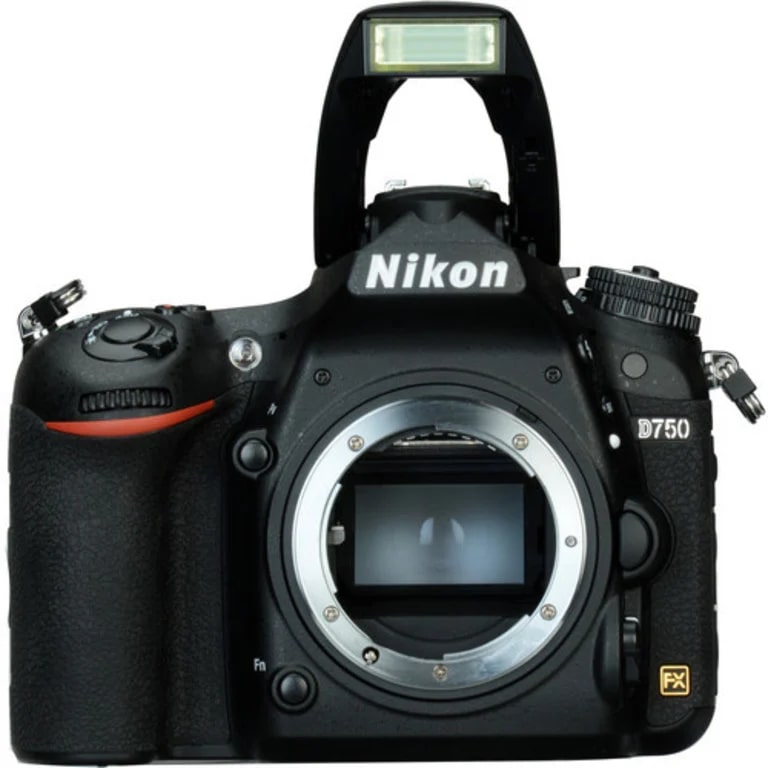
The Nikon D750 features a 24.3MP full-frame CMOS sensor with the EXPEED 4 processor for sharp, detailed images. It includes a 51-point autofocus system and shoots up to 6.5 fps. The camera offers 1080p/60fps video, built-in Wi-Fi, and a 3.2-inch tilting LCD screen for flexible shooting.
D750 dslr camera manual:
You can download the official user manual for the Nikon D750 DSLR from Nikon’s Download Centre — it’s a complete 538-page PDF covering everything from settings to wireless features.
It walks you through setup, shooting modes, menu navigation, custom functions and maintenance of the D750.
If you like, I can send you a direct download link for the manual optimised for phones/tablets.
Frequently Asked Questions:
1. Is the Nikon D750 still worth buying?
Yes — it offers full-frame image quality, good low-light performance, and a reliable AF system, making it a great value, especially on the used market.
2. How old is the Nikon D750?
The D750 was announced in 2014.
3. Is the Nikon D750 professional?
It sits between enthusiast and professional: it has pro-level features like a full-frame sensor and strong AF, but it’s more affordable and compact than Nikon’s top-tier pro bodies.
4. How much is a Nikon D750?
Originally, the body was around $2,300 new. Today, since it’s discontinued, prices depend a lot on condition and shutter count.
5. What is the holy grail of Nikon lenses?
Many call the Nikon 13 mm f/5.6 “the holy grail” because it’s ultra-wide, extremely rare, and has almost no distortion.
6. Which is better, D750 or D7500?
It depends on needs: the D750 has a full-frame sensor for better image quality, while the D7500 has newer processing and slightly faster fps — but uses an APS-C (crop) sensor.
7. What is the price of the Nikon D750?
(Same as Q4) — it was ~$2,300 for new body.
8. What is the lifespan of the Nikon D750?
Mechanically, many users report very high shutter counts (well over 150k), though actual lifespan depends on use.
9. Does the Nikon D750 have Wi-Fi?
Yes — it has built-in Wi-Fi that works with Nikon’s Wireless Mobile Utility app.
10. Is the D850 better than D750?
For resolution and detail, yes: the D850 has a much higher-megapixel sensor. But for value, weight, and budget, the D750 can be a smarter pick.
Conclusion:
The Nikon D750 remains one of the most well-rounded DSLR cameras ever made, delivering exceptional image quality, reliable autofocus, and impressive low-light performance. Its comfortable design, long battery life, and strong dynamic range make it a favorite among both beginners and professionals. Even though newer mirrorless models exist, the D750 still holds its ground with its dependable full-frame sensor and versatility in real-world shooting. With the right lens, it can handle portraits, landscapes, action, and video with ease. If you’re looking for a powerful, budget-friendly full-frame camera, the Nikon D750 continues to be a smart and valuable choice.
About the Author