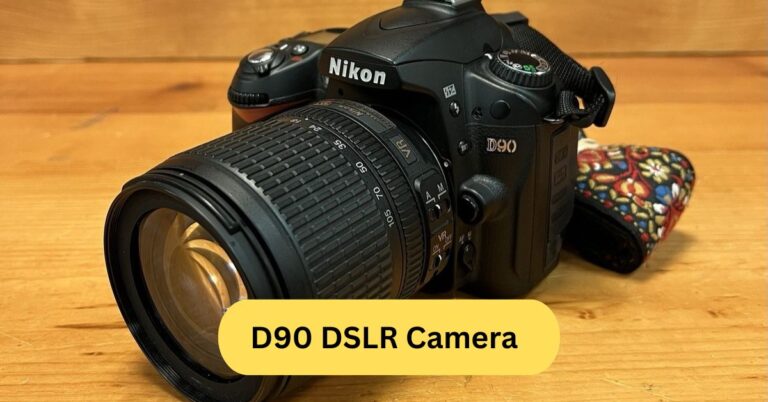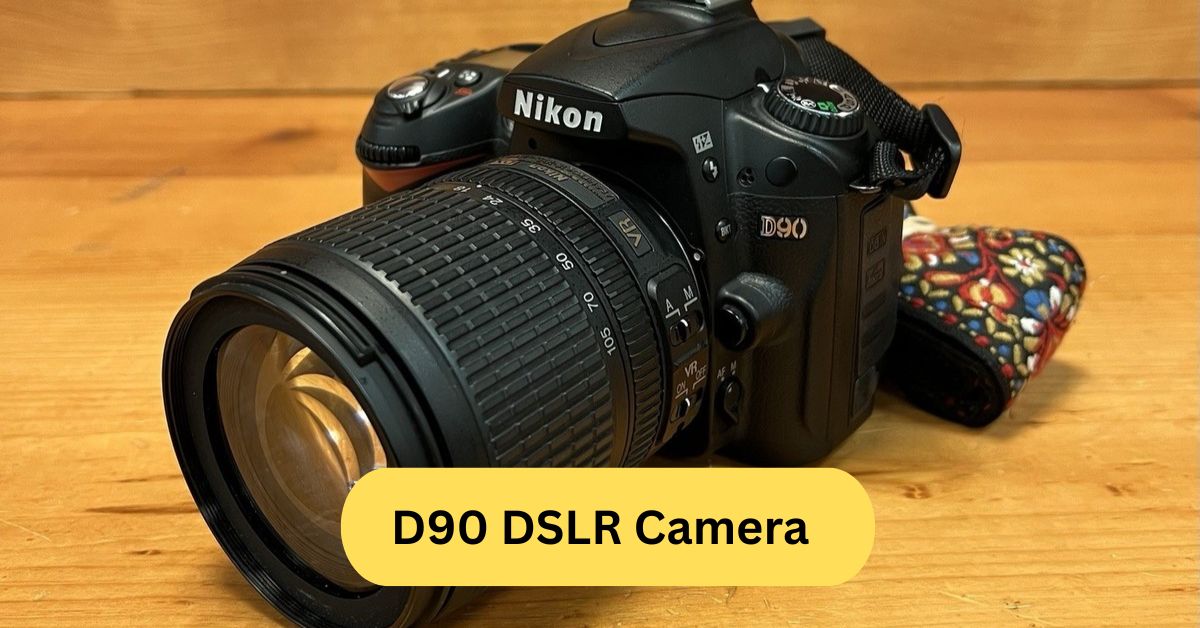
When I used the Nikon D90, I loved how solid and responsive it felt in my hands. The images were sharp with rich colors, and the manual controls made it fun to experiment with settings. Even in low light, it handled noise fairly well, making it a dependable camera for both casual and creative photography.
The Nikon D90 is a mid-range DSLR known for its reliable 12.3MP sensor, solid image quality, and fast autofocus for its time. It offers manual controls and HD video recording, making it a great choice for enthusiasts and beginners looking to step up from a point-and-shoot.
In this article we discuss about “D90 DSLR Camera.”
Table of Contents
Introduction:
If you’re a photography enthusiast looking to step up from a basic DSLR or even a point-and-shoot, the Nikon D90 DSLR Camera has been a solid choice for years. It balances ease of use with professional-grade features, making it perfect for hobbyists and budding photographers alike. Let’s dive deep into what makes this camera stand out.
Overview of the Nikon D90:
Released in 2008, the Nikon D90 quickly became famous for being the first DSLR to feature HD video recording, a game-changer at the time. With a 12.3-megapixel DX-format CMOS sensor, this camera can capture detailed, vibrant images and offers plenty of control over settings.
Design and Build Quality:
1. Ergonomics:
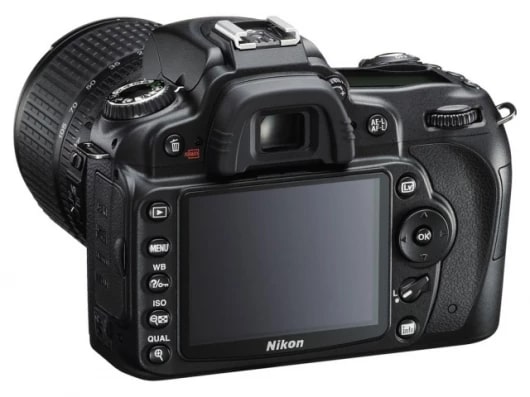
The D90 feels comfortable in the hand, with a well-designed grip that lets you shoot for hours without fatigue. Its button layout is intuitive, making it easy to switch between modes and adjust settings on the fly.
2. Durability:
Though it’s primarily made of high-quality polycarbonate, the D90 is sturdy enough to handle everyday bumps and minor mishaps. It’s not weather-sealed, but careful use will keep it going for years.
Image Sensor and Quality:
1. CMOS Sensor Explained:
The DX-format CMOS sensor delivers sharp, high-resolution images. Colours are natural, and contrast is impressive, even when shooting in tricky lighting situations.
2. ISO Performance:
With an ISO range of 200–3200 (expandable to 100–6400), the D90 handles low-light environments surprisingly well. You may notice some noise at higher ISOs, but for most casual shooting, it’s more than adequate.
Autofocus System:
1. AF Points and Accuracy:
The D90 features an 11-point autofocus system, which is quite capable for tracking stationary and moving subjects. Central points are especially accurate, giving sharp results in most scenarios.
2. Tracking Moving Subjects:
While not as advanced as modern DSLRs, the D90 can follow moving subjects reasonably well, making it suitable for events, sports, and street photography.
Lens Compatibility:
1. Nikon F-Mount Lenses:
The D90 is compatible with Nikon’s F-mount lenses, offering a huge variety of options from wide-angle to telephoto.
2. Third-Party Lenses:
Third-party manufacturers also provide excellent lenses, often at more affordable prices, without sacrificing quality.
Shooting Modes and Features:
1. Scene Modes:
The D90 includes multiple scene modes, like portrait, landscape, and night portrait, which are perfect for beginners who want decent results without manual adjustments.
2. Manual Controls:
For those who want full creative control, manual settings let you adjust shutter speed, aperture, and ISO, giving you the flexibility to experiment with different photography styles.
Video Recording Capabilities:
1. HD Video Quality:
The D90 was a pioneer in DSLR video, offering 720p HD video. It’s great for casual filming, vlogs, or tutorials.
2. Limitations:
While innovative, video features are limited compared to modern DSLRs: autofocus during recording is manual, and frame rates are capped at 24 fps.
Display and Viewfinder:
1. LCD Screen:
The 3-inch LCD screen provides a clear preview of your shots and allows easy menu navigation. However, it’s fixed and doesn’t tilt or rotate.
2. Optical Viewfinder:
The optical viewfinder gives a traditional DSLR experience, showing exactly what the lens sees—a must for composing accurate shots in bright light.
Performance in Low Light:
Thanks to its sensor and ISO capabilities, the D90 can handle dimly lit environments decently. Pairing it with a fast lens improves performance dramatically.
Battery Life and Storage:
The D90 uses a rechargeable lithium-ion battery that typically lasts for 600–800 shots per charge. Memory is stored on SD cards, making it easy to swap cards on the go.
Connectivity Options:
1. USB and HDMI:
You can transfer photos via USB or view them on an HDMI-enabled device, which is convenient for sharing or reviewing your work.
2. Remote Control:
The camera supports remote control shooting, ideal for long exposure or group shots.
1. User Experience and Handling:
Using the D90 feels natural and satisfying. Buttons are tactile, menus are straightforward, and the camera balances well, even with heavier lenses. For hobbyists, it’s an enjoyable daily shooter.
Pros and Cons of the D90:
1. Pros:
- Solid image quality
- Comfortable ergonomics
- HD video capability
- Broad lens compatibility
2. Cons:
- No weather sealing
- Autofocus can struggle with fast-moving subjects
- Video features are limited compared to modern cameras
Nikon D90 DSLR camera:
The Nikon D90 is a reliable mid-range DSLR with a 12.3MP sensor, good low-light performance, and fast autofocus for its time. It offers full manual controls and HD video recording, making it ideal for beginners and enthusiasts who want to learn photography. Despite being discontinued, it remains a solid choice for casual and creative shooting.
Nikon D90 specs:
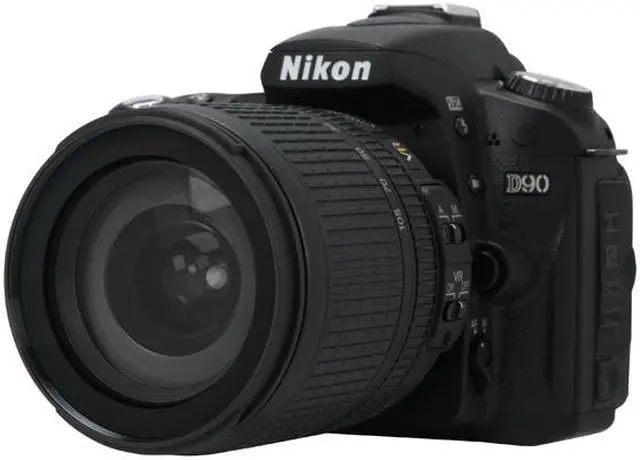
The Nikon D90 features a 12.3MP DX-format CMOS sensor, ISO range 200–3200 (expandable to 6400), and 4.5 fps continuous shooting. It has a 3-inch LCD screen, an 11-point autofocus system, and supports 720p HD video recording. The camera uses the EN-EL3e rechargeable battery and includes a built-in pop-up flash.
Frequently Asked Questions:
1. Is the Nikon D90 still a good camera?
Yes, it’s still capable for photography enthusiasts. With a 12.3MP sensor, good low-light performance, and manual controls, it works well for beginners and hobbyists, though it’s outdated compared to modern DSLRs.
2. What is the price of the Nikon D90 DSLR camera?
Since it’s discontinued, prices vary. Used D90 bodies typically sell between $150–$300, depending on condition, lens kit, and accessories
3. Is the Nikon D90 discontinued?
Yes, Nikon officially discontinued the D90 several years ago, though it remains popular in the used market.
4. How much can I sell my Nikon D90 for?
The selling price depends on the condition and the included accessories. Most used units range from $150–$300, with lenses or kits potentially increasing the value.
5. How much did the Nikon D90 cost when it came out?
The D90 launched in 2008 with a price around $899–$999 for the body only, and higher with lens kits
6. What are the common problems with the Nikon D90?
Common issues include worn-out shutters after heavy use, outdated video features, occasional autofocus errors, and potential battery life decline with age.
7. How old is a Nikon D90?
The D90 was released in 2008, making it over 15 years old as of 2025.
8. Is the Nikon D90 good for beginners?
Yes, it’s beginner-friendly with intuitive controls, guide mode, and auto settings, while still offering room to grow with manual photography skills.
9. What battery does the D90 use?
The Nikon D90 uses the EN-EL3e rechargeable Li-ion battery.
10. What is the shutter life expectancy of a D90?
The D90’s shutter is rated for approximately 100,000 actuations, though actual lifespan may vary with usage and care.
Conclusion:
The Nikon D90 remains a reliable and versatile DSLR, ideal for beginners and enthusiasts who want to explore photography with manual controls and HD video capabilities. Its comfortable ergonomics, solid 12.3MP sensor, and broad lens compatibility make it suitable for a variety of shooting scenarios. While it lacks modern features like weather sealing and advanced autofocus, it still delivers sharp images and handles low-light situations reasonably well. Despite being discontinued, the D90 continues to offer excellent value on the used market for casual and creative photographers. Overall, it’s a solid entry-level DSLR that balances performance, ease of use, and affordability.
About the Author