When I tried the Sony Alpha A5000, I loved how light and portable it felt — carrying it around all day on a city walk or during travel was a breeze. The photos came out crisp and vibrant, even indoors under modest light, and being able to flip the screen made framing creative angles (like low shots or selfies) much easier. On the downside, I missed having a viewfinder when shooting outdoors in bright sunlight, and sometimes I wanted touchscreen controls for quick settings changes.
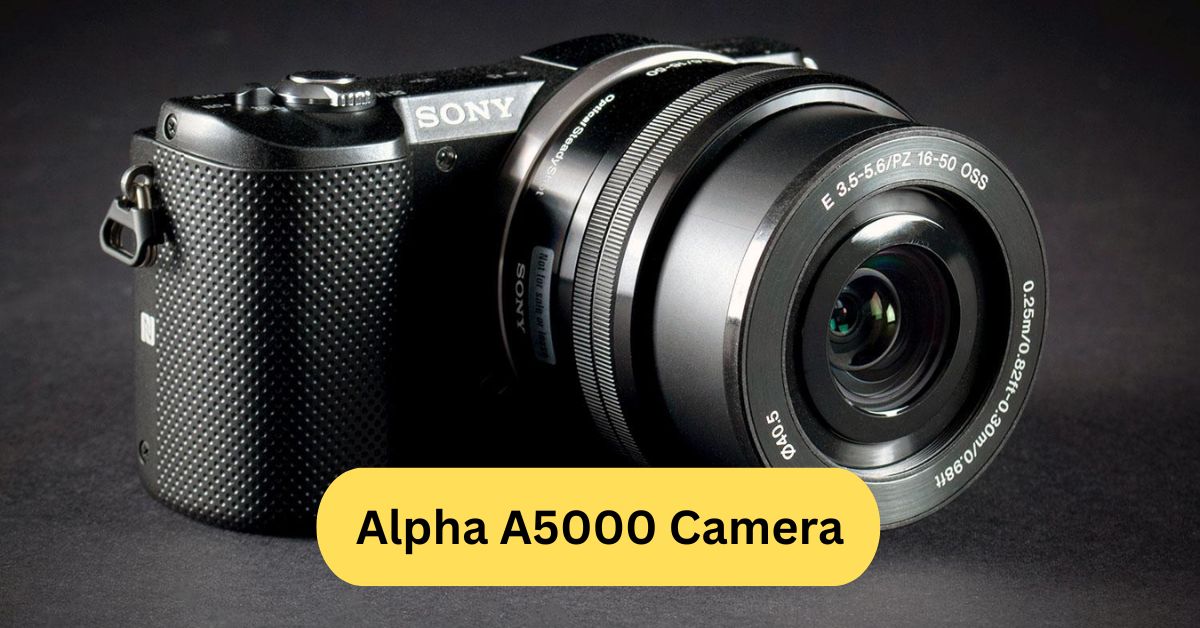
The Sony Alpha A5000 is a compact, lightweight mirrorless camera with a 20.1 MP APS-C sensor, delivering good image quality and decent low-light performance. It features Wi-Fi/NFC for easy sharing and a tiltable LCD for selfies or vlogging. However, it lacks a viewfinder, touchscreen, and 4K video, which limits advanced video and professional-level controls.
In this article we discuss about “Alpha A5000 Camera”
Table of Contents
Introduction:
The Alpha A5000 Camera may have been launched several years ago, but it still holds a special place among photography enthusiasts and beginners alike. Compact, lightweight, and easy to use, it’s an ideal choice for anyone looking to explore mirrorless cameras without breaking the bank. Even in 2025, it offers impressive image quality and features that can satisfy casual photographers and hobbyists.
Have you ever wanted a camera that fits in your bag but still produces professional-looking shots? The Alpha A5000 delivers on that promise.
Design and Build:
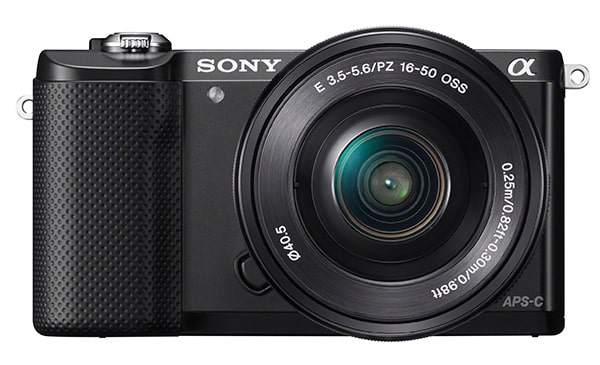
The Alpha A5000 is small, sleek, and incredibly portable. Weighing less than a kilogram, it doesn’t feel bulky, even when paired with lenses. Its minimalist design makes it easy to handle, and the comfortable grip ensures stability during shooting.
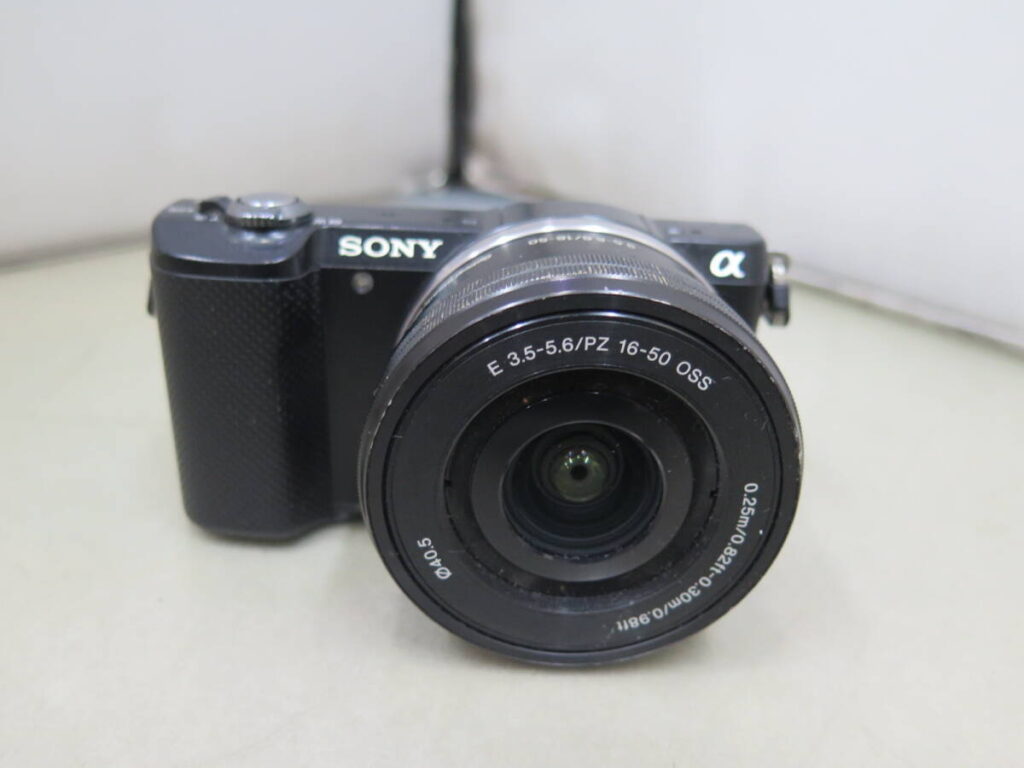
Whether you’re wandering through a crowded street or hiking a scenic trail, the A5000’s lightweight build makes it a joy to carry all day.
Key Specifications:
1. Sensor and Image Processor:
At the heart of the Alpha A5000 is a 20.1-megapixel APS-C sensor, coupled with Sony’s BIONZ X image processor. This combination ensures sharp details, vibrant colors, and minimal noise—even in challenging lighting conditions.
2. ISO Range and Image Quality:
With an ISO range of 100–16,000, the A5000 adapts well to both bright sunlight and dimly lit rooms. Low-light performance is surprisingly good for a camera in this price range, making it versatile for different shooting scenarios.
3. Autofocus System:
The camera features a fast contrast-detection autofocus system. While it’s not as advanced as Sony’s newer hybrid AF models, it’s accurate enough for most casual photography needs, including portraits and street photography.
Lens Compatibility:
The Alpha A5000 uses Sony’s E-mount lenses, giving you access to a wide variety of options. From ultra-wide lenses for landscapes to prime lenses for portraits, the E-mount ecosystem has something for every style.
If budget is a concern, several third-party lenses are compatible, allowing you to expand your creative possibilities without spending a fortune.
Image Quality:
When it comes to image quality, the Alpha A5000 punches above its weight. Colors are rich and natural, and the dynamic range is impressive for a beginner-friendly mirrorless camera.
1. Low-Light Performance:
Thanks to its APS-C sensor, the A5000 handles low-light situations well. Grain may appear at higher ISO settings, but images remain usable and sharp for social media or casual prints.
2. Colour Reproduction and Dynamic Range:
The colours are vibrant yet true to life, making landscapes pop and portraits flattering. Its dynamic range captures both shadows and highlights effectively, reducing the need for heavy post-processing.
Video Capabilities:
Although it doesn’t shoot 4K, the Alpha A5000 records Full HD video at 60fps, which is more than enough for casual videographers or social media creators.
1. Frame Rates and Video Modes:
Slow-motion, standard, and time-lapse options are available, giving you creative flexibility. Combined with image stabilisation (via compatible lenses), video footage is steady and clear.
User Interface:
1. Menu System:
Sony’s menu system may seem complex at first, but the A5000 simplifies navigation with easy-to-understand icons and sections.
2. Touchscreen Functionality:
The tiltable touchscreen is intuitive and perfect for selfies or high/low-angle shots. Adjusting focus or changing settings with a tap makes shooting smooth and fun.
Connectivity Features:
The Alpha A5000 supports Wi-Fi and NFC, allowing you to instantly share photos and videos to your smartphone or tablet.
1. Mobile App Integration:
With the Sony PlayMemories app, you can control the camera remotely, transfer files wirelessly, and even edit images on the go.
Battery Life:
The A5000’s battery is decent for its size, allowing roughly 420 shots per charge. Carrying an extra battery is recommended for longer shooting sessions or travel.
1. Tips for Extending Battery Life:
- Turn off Wi-Fi when not needed
- Use aeroplane mode for longer idle times
- Reduce screen brightness
Performance in Real-Life Scenarios:
1. Street Photography:
Its compact size and fast autofocus make the A5000 a great choice for street photography. You can shoot candid moments without drawing attention.
2. Travel and Landscape Photography:
Lightweight and easy to pack, the camera is perfect for travel. Pair it with a wide-angle lens, and you’ll capture stunning landscapes with ease.
3. Portraits and Indoor Shots:
The camera excels in indoor environments with natural or artificial light. Skin tones look natural, and backgrounds maintain good clarity and separation.
Pros and Cons:
1. Strengths:
- Compact and lightweight
- Excellent image quality for its class
- Full HD video recording
- Wi-Fi and NFC connectivity
2. Limitations:
- No 4K video
- Limited external controls
- Autofocus can lag in fast-moving scenes
Comparison With Other Sony Cameras:
1. A5000 vs A5100:
The A5100 offers a slightly better autofocus system and faster performance. However, the A5000 remains competitive for beginners and casual users.
2. A5000 vs Older Models:
Compared to older Alpha models, the A5000 is more compact, with better image quality and improved touchscreen controls, making it a more user-friendly choice.
Tips for Getting the Best Results:
- Use prime lenses for sharp portraits
- Shoot in RAW for better post-processing
- Use manual settings to control exposure
- Invest in a small tripod for stability
Maintenance and Care:
Keeping your Alpha A5000 in top condition ensures long-term performance.
1. Cleaning the Sensor and Lens:
Regularly use a blower or sensor cleaning kit to prevent dust spots. Clean lenses with a microfiber cloth.
2. Storage and Handling Tips:
Store the camera in a padded bag and avoid extreme temperatures or humidity.
Alpha a5000 camera specs:
The A5000 features a 20.1 MP APS‑C CMOS sensor (23.2 × 15.4 mm) with a resolution up to 5456 × 3632.
It supports ISO 100–16000, shutter speeds from 1/4000 s to 30 s, and can shoot Full HD 1080p video.
The camera uses the Sony E‑mount, has a 3″ tilting LCD screen, built‑in Wi‑Fi/NFC, and supports RAW + JPEG shooting.
Sony Alpha a5000 camera review:
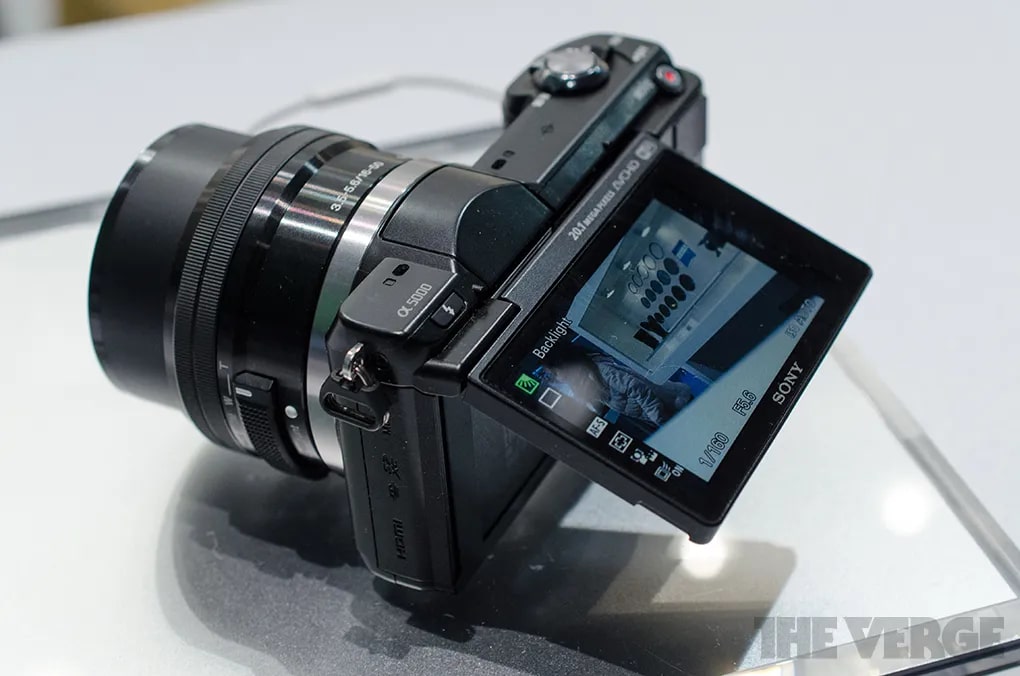
The Sony Alpha A5000 is a compact, entry-level mirrorless camera with a 20.1 MP APS-C sensor, delivering sharp and vibrant photos. Its tilting LCD and built-in Wi-Fi/NFC make sharing and vlogging easy. While it lacks a viewfinder, touchscreen, and 4K video, it’s still a good choice for beginners and casual photography.
Frequently Asked Questions:
1. Is the Sony A5000 still good in 2025?
Yes — for beginners or those on a budget, the A5000 remains a decent starter mirrorless camera thanks to its compact size, APS‑C sensor, and interchangeable lens support.
But compared with modern cameras, it lacks newer features (e.g. 4K video, advanced autofocus), so it’s not ideal if you need high‑end performance.
2. How much did the Sony A5000 cost on release?
On release, the A5000 kit (body + 16‑50 mm lens) was priced around USD ~$449.
3. Is the Sony A5000 discontinued?
Yes — production has ended, and the A5000 is no longer sold as a new model by the manufacturer or major retailers.
4. What kind of camera is the Sony A5000?
It’s a mirrorless interchangeable‑lens camera with an APS-C sensor — combining compact size and portability with more flexibility than a standard compact.
5. How old is the Sony A5000?
The A5000 was launched in early 2014, so it’s now over a decade old.
6. What are common problems with an A5000?
Common drawbacks include a lack of a viewfinder, a lower‑resolution rear LCD, limited autofocus performance, and mediocre low-light performance compared to newer cameras.
7. Is the Sony A5000 good for low light?
Not especially — while it produces decent photos in good lighting, its older sensor and lack of advanced noise reduction make low‑light shots noisy or less detailed.
8. Which is the No. 1 camera?
That’s subjective — there’s no universally “No. 1 camera.” It depends on what you want (travel, professional, video, low light, etc.). For beginners, a camera like the A5000 can be good; for professionals, modern mirrorless or DSLR bodies with advanced features may be best.
9. Which is better — Sony A5000 or A5100?
The Sony Alpha A5100 is generally better: it offers a higher resolution sensor (24 MP vs 20 MP), faster autofocus and burst shooting, and overall more modern performance.
The A5000 remains lighter and a bit cheaper, so it may appeal to budget‑ and portability‑focused users.
10. What’s the image quality like on the A5000?
In good light, the A5000 produces vibrant, clean images with good detail and enough resolution for prints or online sharing.
Conclusion:
The Sony Alpha A5000 may be an older mirrorless camera, but it still delivers impressive performance for beginners and everyday photographers. Its lightweight body, sharp 20.1 MP sensor, and easy-to-use features make it a great travel companion or starter camera. While it lacks modern upgrades like 4K video and advanced autofocus, it continues to offer excellent value for its price. If you want a simple, reliable camera that produces vibrant photos without complexity, the A5000 won’t disappoint. Overall, it’s a solid choice for those stepping into interchangeable-lens photography on a budget.
About the Author