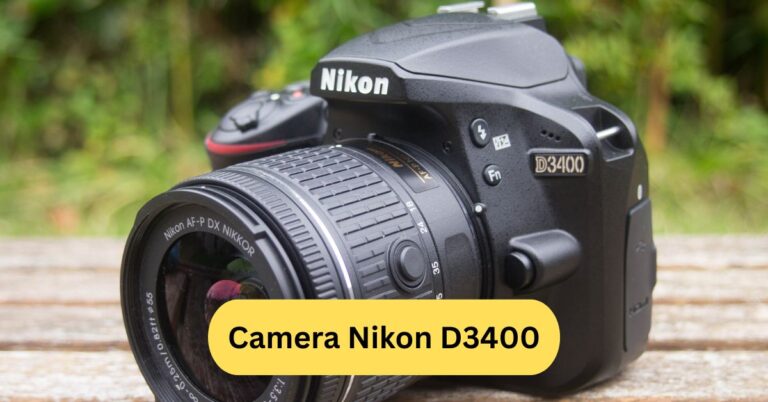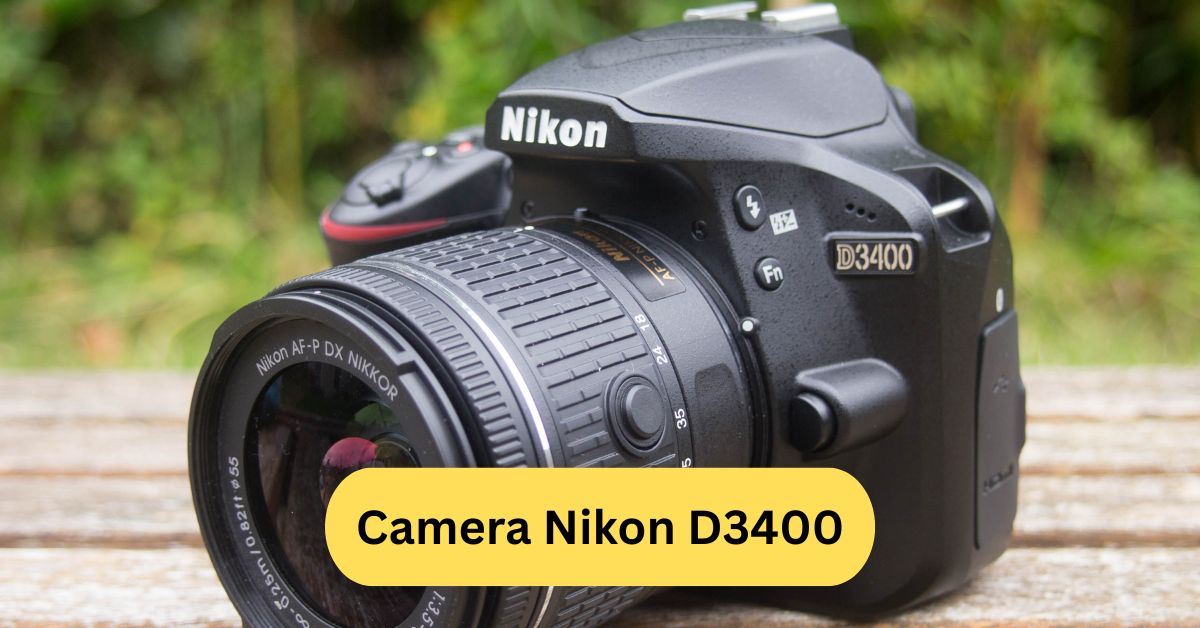
When I used the Nikon D3400, I loved how lightweight and comfortable it felt to carry all day. The photos came out crisp with natural colors, even in low light, and the autofocus was quick enough to capture moments without missing a shot. It’s a perfect camera for beginners who want high-quality results without complications.
The Nikon D3400 is a beginner-friendly DSLR featuring a 24.2MP sensor that delivers sharp, vibrant photos with great low-light performance. Its lightweight body and long battery life make it ideal for travel and everyday shooting, while Bluetooth connectivity simplifies transferring images to your phone.
In this article we discuss about “Camera Nikon D3400.”
Table of Contents
Introduction to Nikon D3400:
The Nikon D3400 is a versatile entry-level DSLR that has captured the hearts of photography enthusiasts worldwide. Whether you’re just starting your photography journey or looking for a compact DSLR that delivers high-quality images, the D3400 makes an excellent choice. Lightweight, user-friendly, and packed with powerful features, this camera is a perfect blend of simplicity and performance.
History and Launch of Nikon D3400:
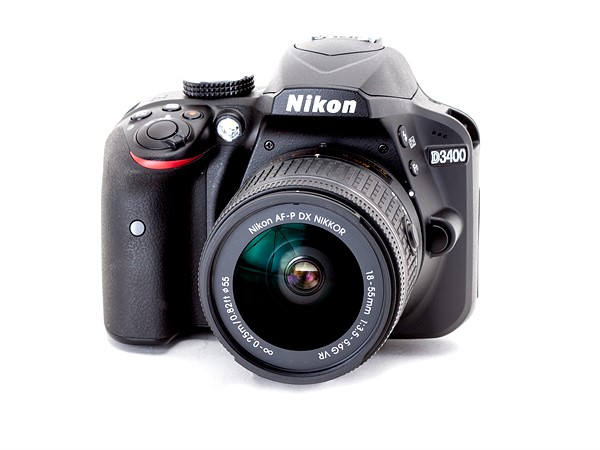
Released in 2016, the Nikon D3400 succeeded the popular D3300. Nikon designed this camera for beginners while ensuring it retains the core performance features that enthusiasts love. With improved battery life, SnapBridge connectivity, and a simplified Guide Mode, the D3400 quickly became a favorite for new DSLR users.
Design and Build Quality:
The Nikon D3400 boasts a compact, lightweight design that feels solid in the hand. Its polycarbonate body may not be as rugged as professional cameras, but it’s durable enough for everyday use. The camera weighs just 455 grams, making it easy to carry around for travel or street photography. The intuitive button layout ensures that even beginners can operate it without confusion.
Nikon D3400 Camera Specs:
1. Sensor and Image Quality:
The D3400 features a 24.2-megapixel APS-C CMOS sensor, delivering sharp and vibrant images. The sensor captures fine details with low noise, making it perfect for both landscapes and portraits. The lack of an optical low-pass filter ensures maximum sharpness in every shot.
2. ISO Range and Low-Light Performance:
With an ISO range of 100-25,600, the D3400 performs well in various lighting conditions. Low-light photography is impressive for a camera in this category, with minimal noise at higher ISO settings.
3. Autofocus System:
The camera’s 11-point autofocus system is reliable for most photography needs. While not as advanced as higher-end models, it is precise and fast enough for beginners and casual photographers.
Lens Compatibility and Options:
The Nikon D3400 is compatible with Nikon F-mount lenses, giving users access to a wide variety of lenses for every type of photography. From prime lenses for portraits to zoom lenses for wildlife and sports, the D3400 supports it all. Nikon’s AF-S lenses work seamlessly with this camera, offering autofocus without a motor in the camera body.
Shooting Modes and Features:
1. Scene Modes:
The D3400 includes various scene modes like Portrait, Landscape, Sports, and Night Portrait. These modes automatically adjust camera settings to help beginners capture great photos without manual adjustments.
2. Guide Mode:
One of the most helpful features for new photographers is the Guide Mode. It walks users step by step through the camera’s functions, teaching them how to adjust settings for different types of shots. This makes learning photography much more accessible and fun.
Video Recording Capabilities:
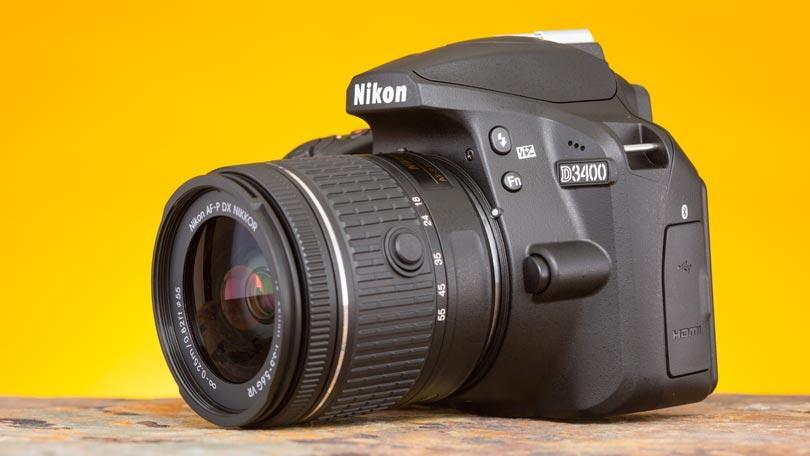
The Nikon D3400 supports Full HD 1080p video recording at 60fps. While it lacks 4K video, the video quality is excellent for beginners and casual videographers. The camera also offers smooth exposure transitions and decent audio capture with an external microphone input.
Connectivity Features:
1. Bluetooth and SnapBridge:
One standout feature of the D3400 is SnapBridge connectivity. Using Bluetooth Low Energy, the camera can automatically transfer images to a smartphone or tablet. This allows photographers to share photos instantly on social media without any hassle.
Battery Life and Storage Options:
The D3400 uses an EN-EL14a battery, which provides an impressive 1,200 shots per charge. This is exceptional for an entry-level DSLR. For storage, the camera supports SD, SDHC, and SDXC memory cards, allowing ample space for photos and videos.
Handling and Ergonomics:
Thanks to its ergonomic grip and lightweight design, the D3400 is comfortable to hold for extended shooting sessions. The button layout is intuitive, and the menu system is beginner-friendly. This ensures smooth operation whether you’re shooting handheld or on a tripod.
Performance in Real-World Scenarios:
1. Landscape Photography:
With its high-resolution sensor and wide ISO range, the D3400 captures stunning landscapes with vibrant colors and sharp details. Pairing it with a wide-angle lens enhances the effect even more.
2. Portrait Photography:
The D3400 excels at portrait photography, producing creamy bokeh with compatible lenses. Skin tones appear natural, and the autofocus ensures the subject remains sharp.
3. Action and Sports Photography:
While not a high-speed sports camera, the D3400’s 5fps continuous shooting mode is adequate for capturing moderate action shots. It’s great for family events, pets, and casual sports photography.
Comparison with Competitors:
1. Canon EOS Rebel T7:
Compared to the Canon EOS Rebel T7, the D3400 offers slightly better image quality and battery life. However, the T7 has a more user-friendly interface for beginners.
2. Nikon D3500:
The Nikon D3500, a successor to the D3400, offers minor improvements like a slightly larger battery and enhanced ergonomics. Both cameras, however, remain excellent choices for entry-level photographers.
Tips for Getting the Best Results:
- Use a tripod for long exposures.
- Shoot in RAW format for better editing flexibility.
- Experiment with aperture and shutter speed to create different effects.
- Take advantage of the Guide Mode to learn new techniques.
- Regularly clean your lens and sensor for crisp images.
Common Issues and Troubleshooting:
While the D3400 is reliable, users may occasionally encounter autofocus hunting in low light or minor lag in live view mode. These can be minimized by using well-lit environments and updating the camera firmware.
Camera Nikon D3400 review:
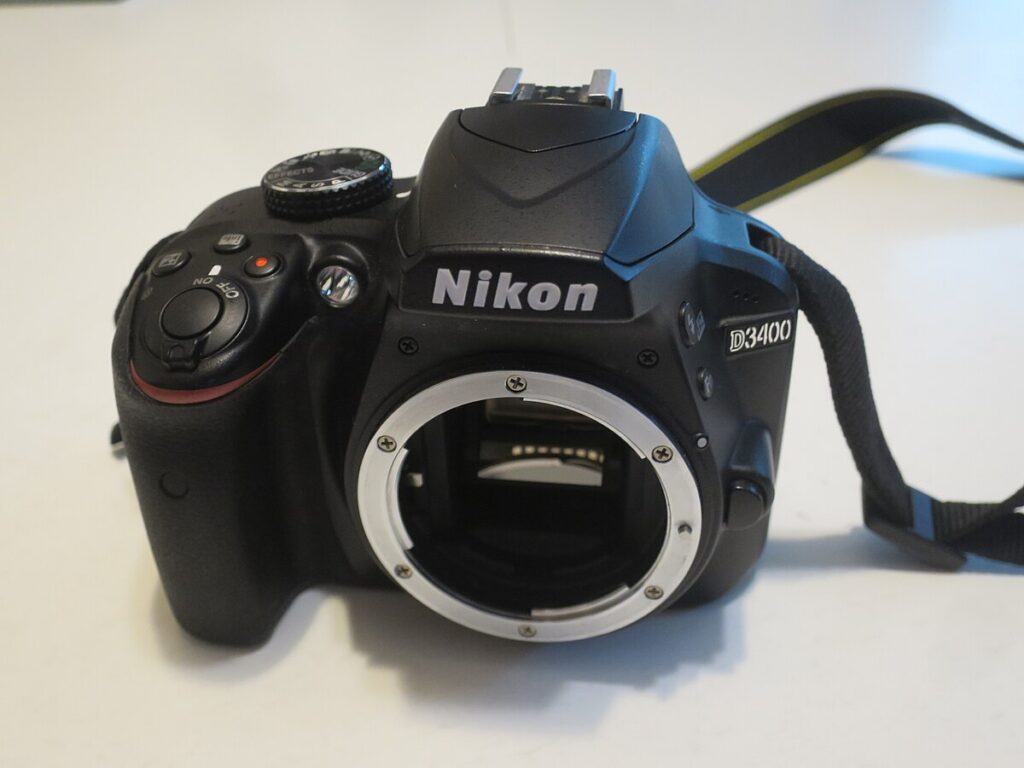
The Nikon D3400 is an excellent beginner DSLR that delivers sharp, vibrant images with its 24.2MP sensor and great low-light performance. It’s lightweight, easy to use, and offers a long battery life, making it perfect for travel and everyday photography. However, it lacks WiFi, a touchscreen, and 4K video, which may feel limited for advanced users.
Nikon D3400 lenses:
The D3400 works best with Nikon F-mount lenses labeled AF-S or AF-P (and DX-format lenses) because only those support its autofocus and metering system. Older “AF” or “AF-D” lenses will mount, but they usually won’t autofocus and lack full metering support. If you stick to current-generation AF-S/AF-P DX lenses, you’ll get smooth autofocus, reliable exposure, and optimal image quality on your D3400.
Frequently Asked Questions:
1. How old is the Nikon D3400?
The Nikon D3400 was released in 2016, making it around 9 years old in 2025. Despite its age, it’s still a popular entry-level DSLR because of its strong image quality and simple design.
2. How much is a used Nikon D3400 worth?
A used Nikon D3400 typically sells for $200–$300, depending on condition, shutter count, and whether it includes lenses or accessories. Prices may vary by region and seller.
3. What is the price of the Nikon D3400 camera?
In today’s market, the Nikon D3400 usually costs around $250–$400 for a full kit. New units are rare now, so most available listings are used or refurbished.
4. How much did the Nikon D3400 cost on release?
At launch in 2016, the D3400 was priced around $649 with the 18–55mm kit lens. It was positioned as an affordable beginner DSLR with excellent value.
5. Is the D3400 a good camera?
Yes — the D3400 is still considered a good beginner camera thanks to its sharp 24.2MP sensor, long battery life, and easy controls. It’s ideal for students, travel, and everyday photography.
6. What is the lifespan of the Nikon D3400?
The D3400 typically lasts 5–10 years, depending on care and shutter usage. With normal hobby use, it often works well for many years without issues.
7. Does the Nikon D3400 have WiFi?
No, the D3400 does not have built-in WiFi. Instead, it uses Bluetooth (SnapBridge) to transfer photos wirelessly to a smartphone.
8. What is the best image quality for the Nikon D3400?
For best results, shoot in RAW or RAW+JPEG with ISO kept between 100–800 in good light. The 24.2MP sensor and a low-pass filter help produce crisp, detailed images.
9. Is the D3400 waterproof?
No — the Nikon D3400 is not waterproof or weather-sealed. You should avoid rain, dust, or extreme moisture to protect the camera.
10. How to update Nikon D3400?
To update firmware, download the update from Nikon’s official website, place the file on an SD card, insert it into the camera, and run Firmware Update from the setup menu. The process takes only a few minutes.
Conclusion:
The Nikon D3400 remains an excellent choice for beginners and hobbyist photographers, offering a 24.2MP sensor, vibrant image quality, and reliable low-light performance. Its lightweight design, intuitive controls, and long battery life make it perfect for travel, everyday use, and learning photography. While it lacks advanced features like WiFi, touchscreen, and 4K video, it excels in delivering sharp, natural photos with ease. Pairing it with AF-S or AF-P DX lenses ensures smooth autofocus and optimal results. Overall, the D3400 strikes a perfect balance between simplicity and performance, making it a dependable and user-friendly DSLR for those starting their photography journey.
About the Author