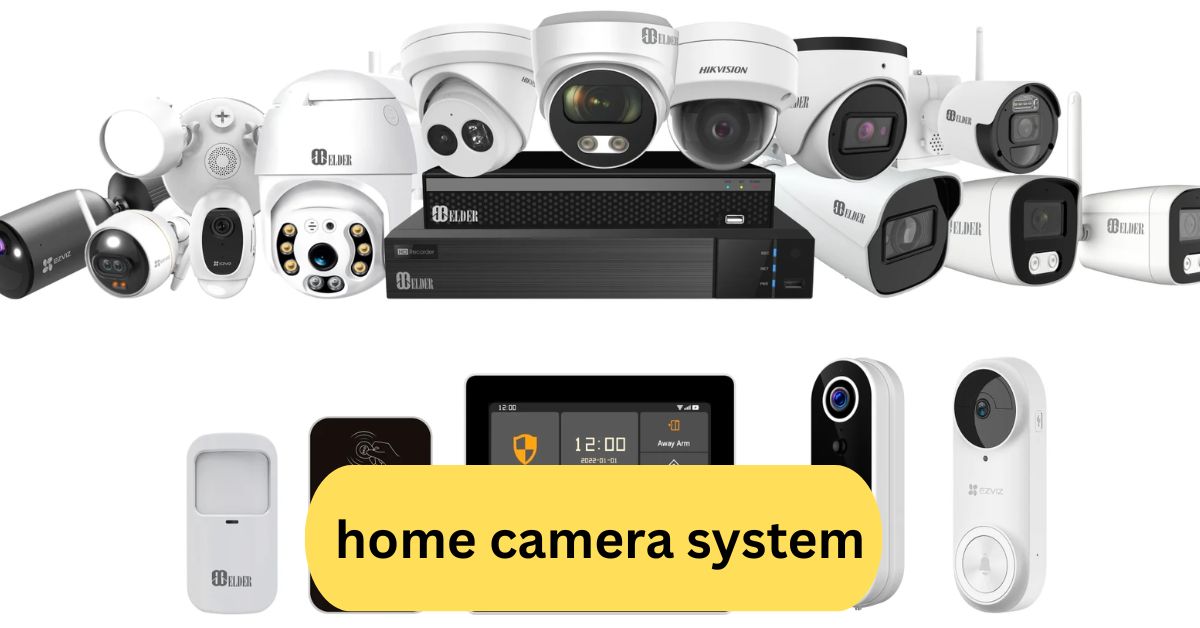
When I installed my home camera system, I felt much more secure knowing I could check my house anytime from my phone. It was easy to set up, and the motion alerts helped me catch small things like package deliveries or pets moving around. It really gave me peace of mind when I was away.
A home camera system helps you monitor your property using security cameras placed indoors or outdoors. It provides real-time video, motion alerts, and remote viewing through a smartphone app. These systems enhance safety and deter potential intruders.
In this article we discuss about “Home Camera System”
Table of Contents
Introduction:
In today’s fast-paced world, home security is more important than ever. A home camera system gives you the power to monitor your property in real time, whether you’re home or away. With advances in smart technology, these systems have become more affordable, user-friendly, and powerful. Let’s explore everything you need to know about setting up and maintaining a reliable home camera system.
What is a Home Camera System?
A home camera system is a network of surveillance cameras designed to monitor and record activities around your home. Unlike traditional alarm systems that only notify you after an incident, camera systems provide real-time visuals and recordings, enhancing overall security.
These systems can be as simple as a single camera watching your front door or as advanced as a multi-camera network covering your entire property.
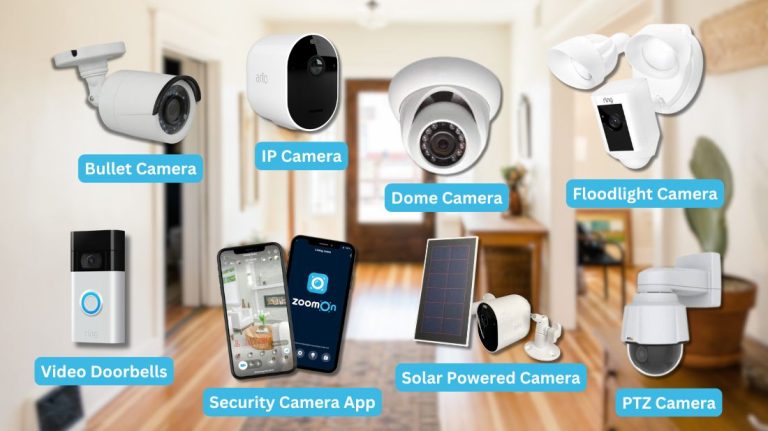
Types of Home Camera Systems:
1. Wired Camera Systems:
These cameras are physically connected to a recording device using cables. They offer stable video quality and are less vulnerable to interference but can be challenging to install.
2. Wireless Camera Systems:
Wireless systems use Wi-Fi for connectivity. They’re easy to install and ideal for renters or homeowners who prefer minimal wiring. However, they rely heavily on internet strength.
3. Smart Camera Systems:
Smart systems integrate with your phone and smart home devices. You can monitor live feeds, receive alerts, and even control the system with voice commands through assistants like Alexa or Google Assistant.
Indoor vs. Outdoor Cameras:
1. Indoor Cameras:
Designed for indoor spaces, these cameras are compact and discreet. They help monitor activities inside your home, such as children, pets, or elderly family members.
2. Outdoor Cameras:
Built to withstand weather conditions, outdoor cameras are ideal for driveways, gardens, and front doors. They usually come with night vision, motion detection, and durable housings.
Main Features to Look For:
1. High Resolution:
Opt for at least 1080p HD resolution for clear images. For sharper detail, 2K or 4K options are now widely available.
2. Night Vision:
Infrared or color night vision ensures visibility even in complete darkness—essential for 24/7 monitoring.
3. Motion Detection:
Smart motion sensors trigger alerts when unusual movement is detected, helping you act quickly.
4. Two-Way Audio:
This allows communication through the camera—useful for greeting visitors or warning off intruders.
5. Storage Options:
Cameras may store footage in the cloud or locally on an SD card or NVR (Network Video Recorder). Cloud storage is more convenient but often requires a subscription.
How Home Camera Systems Work:
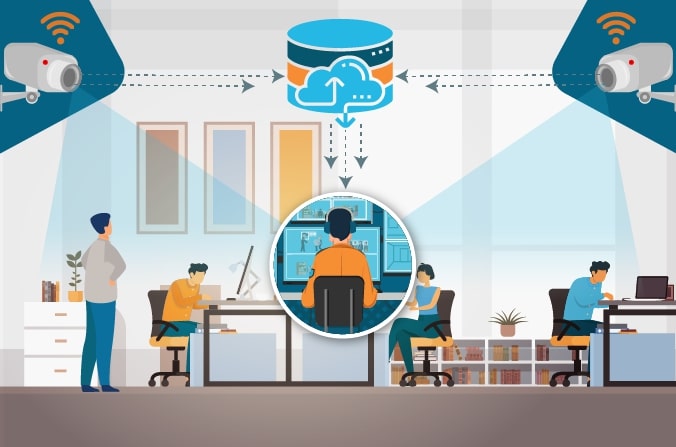
A typical system includes cameras, a DVR/NVR or cloud service, and a mobile app. Cameras capture video, which is then stored and accessible through your smartphone or computer. Modern systems rely heavily on Wi-Fi, allowing for instant alerts and remote access anytime, anywhere.
Top Brands in the Market:
1. Ring:
Known for its video doorbells and user-friendly app integration.
2. Arlo:
Offers wire-free cameras with exceptional image quality and AI detection.
3. Blink:
An affordable, easy-to-install system with strong Amazon Alexa compatibility.
4. Nest:
Backed by Google, it offers smart features and seamless integration with Google Home.
5. Eufy:
Focuses on privacy, offering local storage options and strong battery performance.
Benefits of Installing a Home Camera System:
- Deters Criminals: Visible cameras discourage trespassers and burglars.
- Remote Access: Monitor your property from anywhere using your smartphone.
- Evidence Collection: Recorded footage helps in investigations.
- Peace of Mind: Knowing your loved ones and property are protected feels reassuring.
Do You Need Wi-Fi for a Home Camera System?
While most modern systems rely on Wi-Fi, there are offline options that record directly to local storage. Some advanced cameras use LTE connectivity, making them ideal for remote or rural areas without stable internet.
Cost of Home Camera Systems:
The cost varies depending on brand and features:
- Basic systems: $100–$300
- Advanced systems: $400–$1000+
DIY installations save money, while professional setups offer convenience and reliability.
DIY vs. Professional Installation:
1. DIY Installation:
Perfect for tech-savvy users. It’s affordable and flexible but may require troubleshooting.
2. Professional Installation:
Ideal for complex systems with multiple cameras. Experts ensure proper placement and secure setup, but come at a higher cost.
Smart Integration and Voice Assistants:
Imagine saying, “Alexa, show me the backyard,” and your camera feed pops up instantly. Smart integration allows you to connect your system with devices like Alexa, Google Assistant, or Apple HomeKit for effortless control.
Tips for Maximizing Home Camera Efficiency:
- Place cameras near entrances and vulnerable points.
- Keep lenses clean for clear footage.
- Regularly update firmware for enhanced security.
- Adjust motion sensitivity to reduce false alarms.
Privacy and Legal Considerations:
Be mindful of local laws before recording. It’s illegal in some regions to record without consent in private areas. Always secure your footage with strong passwords and encrypted storage to protect your privacy.
Future Trends in Home Camera Systems:
The future of home security is AI-driven. Expect cameras that recognize faces, detect unusual behavior, and send real-time alerts with precision. With improvements in cloud technology and 360° lenses, the next generation of cameras will offer unparalleled home protection.
Wireless home camera system:
A wireless home camera system is easy to install and doesn’t require complex wiring. It connects through Wi-Fi, allowing you to monitor your home remotely via a smartphone app. Many models offer motion detection, night vision, and two-way audio. However, performance depends on Wi-Fi strength and battery life.
Best outdoor security camera system:
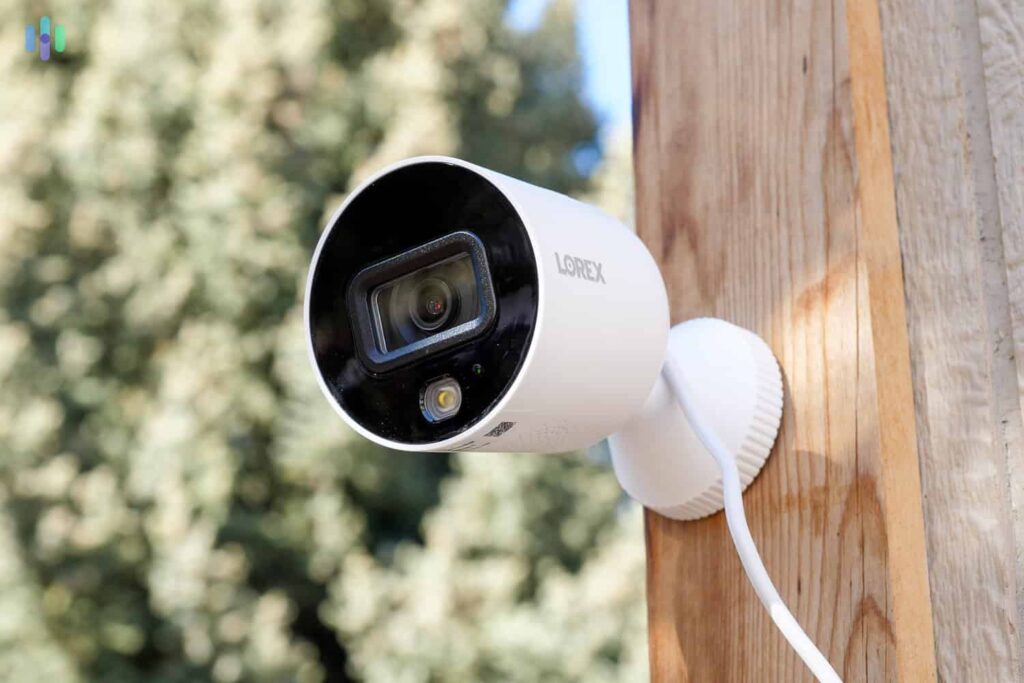
When choosing the best outdoor security camera system, focus on high-resolution video (1080p or higher) and a weather-resistant build (e.g., IP65/IP66 rating) to withstand rain and dust. Night vision, strong motion detection with alerts, and remote viewing via smartphone are key for real-time guarding of your home. Also, decide between wired systems (more stable and less interference) or wireless/solar systems (easier to install) based on your property’s layout and power availability.
Home Camera system Indoor:
An indoor home camera system provides real-time monitoring of your living spaces, ensuring safety and peace of mind. These cameras often include features like motion detection, night vision, and two-way audio. Many models connect easily to Wi-Fi, allowing you to view live footage from your smartphone. Brands like Arlo, Ring, and Wyze offer excellent indoor options with clear HD video quality.
Frequently Asked Questions:
1. Which camera system is best for the home?
The best home camera system depends on your needs—look for 1080p or higher video quality, good night vision, motion alerts, and reliable app access. Remote viewing and integration with smart home devices are also strong pluses.
2. Which security cameras do not require a monthly subscription?
Many modern cameras offer local storage or micro‐SD card recording without needing a cloud plan. For example, some models from Eufy allow full use without a monthly fee.
3. What is the best indoor home security camera?
For indoor use, choose a camera with a wide field of view, low‐light/infrared capability, two‐way audio, and easy app access. Cable-powered models are convenient and reliable if you have nearby outlets.
4. What is the average cost of installing a home security system?
Typical costs range from about US$250 to US$1,100 for the equipment package, with full professional installation potentially reaching several thousand dollars depending on size and complexity.
5. Is it better to have wired or wireless security cameras?
Wired cameras offer more consistent power/data and reliability, ideal for permanent setups, while wireless cameras (battery or WiFi) offer easier installation and flexibility but may suffer from WiFi issues or battery maintenance.
6. Is Blink or Ring better?
Blink tends to be more affordable and offers strong battery life, while Ring offers a wider feature set and smart home integrations—but Ring often locks advanced features behind subscriptions. Many reviews say Blink wins value; Ring wins premium features.
7. Does a security camera need Wi-Fi?
Yes, if you want remote access, live streaming, or cloud alerts. Some systems can work locally (SD card/NVR) without WiFi, but you’ll lose remote convenience and alerts unless you have another data link.
8. What is the #1 rated home security?
“#1 rated” can vary by survey, but often systems with high user ratings combine reliable cameras, local storage/no subscription fees, good support, and smart home integration. For example, cameras with no monthly fees are highly rated.
9. Which CCTV camera is best for the home, wired or wireless?
For a home: if you’re comfortable with wiring and want high reliability, a wired camera is best. If you prefer easy DIY installation, mobility, and fewer cables, a wireless camera works well, but ensure strong WiFi.
10. What is the lifespan of a security camera?
Most quality security cameras can last 5-10 years or more, but factors like environment (outdoor vs indoor), power supply stability, weather exposure, and maintenance (cleaning lens, firmware updates) all impact actual lifespan.
Conclusion:
A home camera system is an essential tool for modern home security, offering real-time monitoring, motion alerts, and remote access from anywhere. Whether you choose indoor or outdoor cameras, wired or wireless, these systems enhance safety, deter intruders, and provide peace of mind. Features like night vision, two-way audio, and smart integration make them versatile and user-friendly. Investing in a reliable camera system—whether DIY or professionally installed—ensures your loved ones and property are well protected. With ongoing advancements in technology, home camera systems are becoming smarter, more efficient, and increasingly accessible for every household.
About the Author