When I first used a camera with infrared capability, I was amazed at how clearly it captured scenes in total darkness. It revealed details my eyes couldn’t see, especially during night photography and outdoor shoots. It felt like uncovering a hidden world invisible to normal light.
Infrared in cameras allows them to capture images in low light or complete darkness by detecting infrared light instead of visible light. It’s commonly used in night vision, security cameras, and wildlife photography for clear images without visible illumination.
In this article we discuss about “Infrared in Camera”
Table of Contents
Introduction to Infrared in Cameras:
Ever wondered why some cameras can see what your eyes can’t? That’s infrared magic at work. Infrared (IR) is a type of light invisible to the human eye but detectable by special sensors. Cameras equipped with infrared sensors can capture this light, revealing details hidden in darkness or heat patterns. This technology opens a whole new world for photographers, security experts, and scientists alike.
1. What Is Infrared?
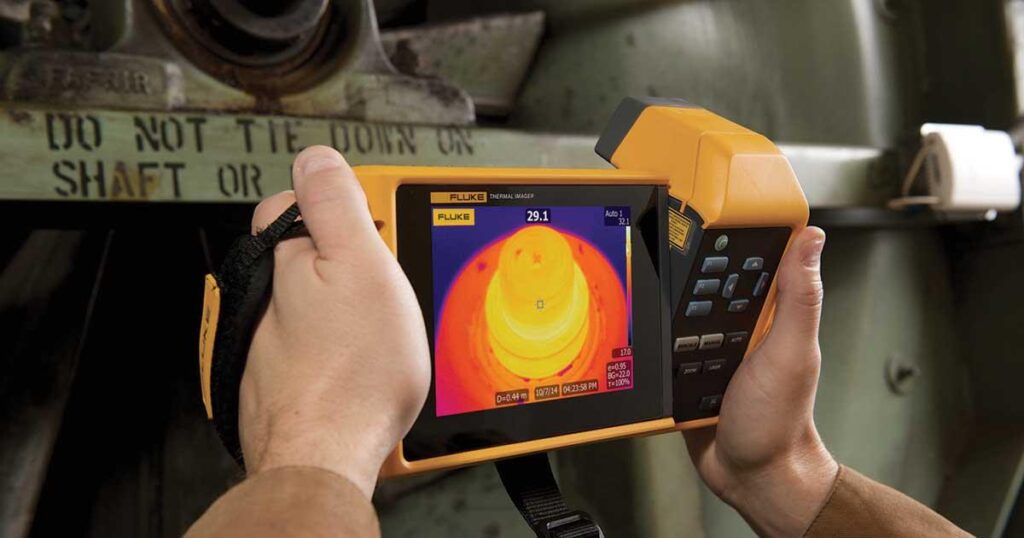
Infrared is a segment of the electromagnetic spectrum, sitting just beyond visible red light. Unlike normal light, IR is all about heat energy. Objects emit infrared radiation depending on their temperature, which is why night-vision cameras can “see” in complete darkness by detecting this heat.
2. How Infrared Works in Cameras:
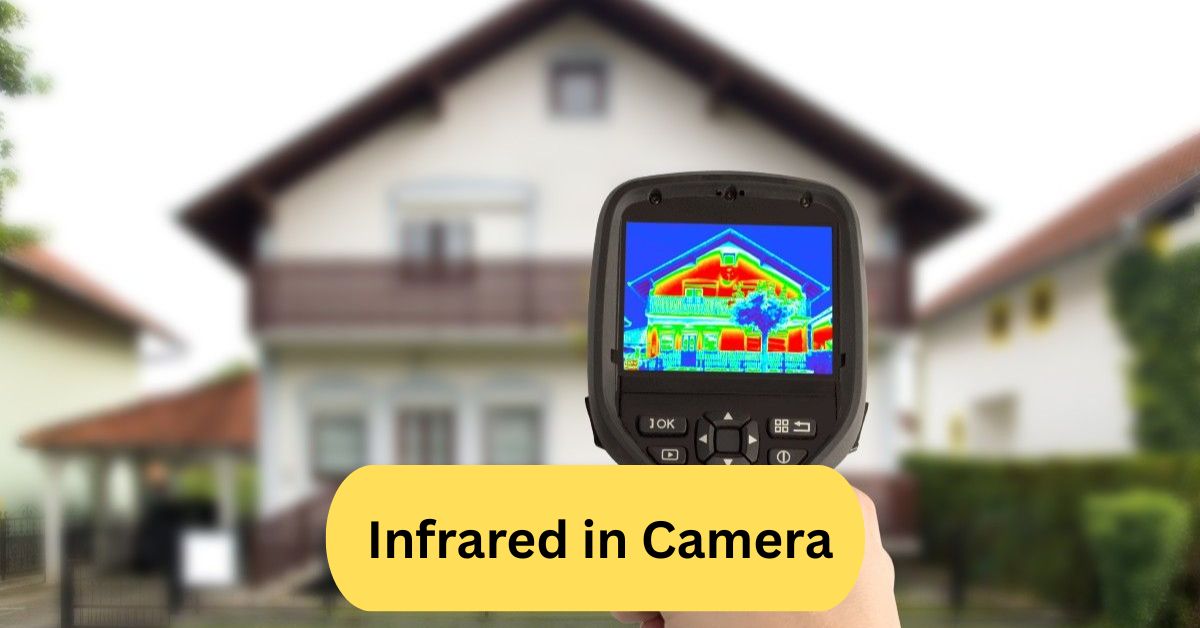
Infrared cameras use sensors to detect IR light and convert it into an image humans can interpret. Thermal cameras, for example, translate heat into colors, while near-infrared cameras produce images similar to black-and-white photography but with a surreal glow.
History of Infrared Photography:
1. Early Infrared Imaging:
Infrared photography started in the early 20th century. Scientists initially used it for experimental photography and military reconnaissance. Early infrared films captured heat patterns, but results were grainy and unpredictable.
2. Modern Advancements:
Today, digital infrared sensors and filters make it easy to capture stunning IR images. Modern cameras can detect a wider spectrum, providing sharper and more detailed images than ever before.
Types of Infrared Cameras:
1. Thermal Infrared Cameras:
Thermal cameras detect heat instead of visible light. They’re excellent for seeing through darkness, smoke, or fog, making them invaluable in firefighting, security, and industrial inspections.
2. Near-Infrared Cameras:
These cameras capture near-infrared light, just beyond visible red. Often used in photography and agriculture, near-IR cameras reveal unique patterns invisible to the naked eye.
3. Multispectral and Hyperspectral Cameras:
Advanced cameras capture multiple bands of infrared light, allowing scientists and engineers to analyze material composition, monitor vegetation health, and detect energy inefficiencies in buildings.
Infrared Camera Conversion:
1. What Is Conversion?
Camera conversion means modifying a regular camera to capture infrared light. Manufacturers remove the built-in IR-blocking filter and replace it with an IR-pass filter, allowing the sensor to detect IR light effectively.
2. How to Convert Your Camera:
Conversion can be done professionally or DIY if you’re confident. After conversion, your camera can capture near-infrared images without external filters, producing surreal, glowing landscapes.
3. Benefits of Conversion:
Converted cameras offer higher sensitivity to infrared light, more creative photography options, and the ability to capture invisible details in nature, architecture, and art.
Night Vision Infrared Cameras:
1. How Night Vision Works:
Night vision cameras amplify low light and detect infrared radiation to produce visible images in darkness. They can capture everything from subtle movements to heat patterns.
2. Applications in Security and Wildlife:
Security professionals use IR cameras to monitor premises 24/7. Wildlife photographers rely on them to observe nocturnal animals without disturbing their natural behavior.
FLIR Infrared Cameras:
1. What Is FLIR?
FLIR stands for Forward-Looking Infrared. It’s a brand synonymous with high-quality thermal imaging cameras, widely used in defense, industrial, and commercial applications.
2. Features and Advantages:
FLIR cameras offer exceptional thermal resolution, real-time video, and advanced software analytics. They can detect temperature differences as small as 0.05°C, making them ideal for precise inspections and safety monitoring.
How to Use Infrared Cameras Effectively:
1. Camera Settings for Infrared:
For best results, adjust exposure and focus carefully. Some infrared cameras require longer exposure times, and custom white balance ensures accurate rendering of IR images.
2. Best Lenses for Infrared Photography:
Prime lenses with minimal coatings are preferred since they reduce hotspots and flare. Wide-angle lenses are great for landscapes, while macro lenses capture fine details in IR close-ups.
Applications of Infrared Cameras:
1. Security and Surveillance:
Infrared cameras provide round-the-clock monitoring, detecting intruders even in total darkness.
2. Industrial Inspections:
They help detect overheating machinery, electrical faults, and energy leaks before they cause costly problems.
3. Wildlife and Nature Photography:
Infrared cameras let you capture nocturnal animals without disturbing them, producing stunning black-and-white or false-color images.
4. Medical and Scientific Use:
In medicine, IR cameras detect inflammation and blood flow irregularities, aiding diagnostics. Scientists use them for environmental studies and monitoring heat distribution.
Infrared Photography Techniques:
1. Black and White Infrared Photography:
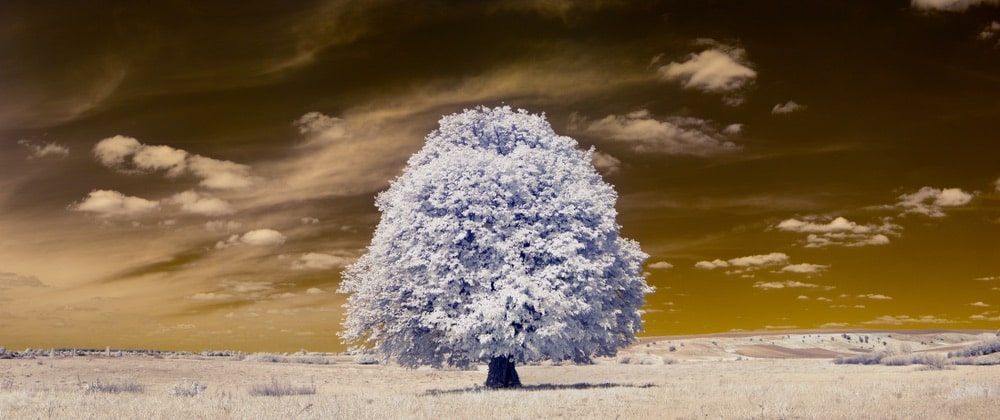
This classic IR technique produces striking high-contrast images where foliage appears white and skies dark, creating a dreamlike effect.
2. False-Color Infrared Photography:
False-color IR assigns colors to infrared tones, revealing details and textures invisible in regular photography, often used in scientific imaging.
Common Challenges in Infrared Photography:
1. Focus and Exposure Issues:
Infrared light focuses differently than visible light, so manual adjustments may be necessary.
3. Lens Hotspots:
Some lenses reflect IR light internally, creating bright spots. Choosing IR-friendly lenses helps minimize this problem.
Infrared in Smartphones:
1. Can You See Infrared with Your Phone?
Most phone cameras can detect some IR light but not in full detail. Specialized attachments or sensors are required for proper IR imaging.
2. Limitations and Workarounds:
Phone IR photography is limited by sensor size and filters, but creative apps and clip-on IR filters can produce interesting results for hobbyists.
Infrared vs. Regular Photography:
1. Key Differences:
IR photography captures invisible light and heat patterns, revealing a world unseen by normal cameras. Regular photography relies on visible light.
2. When to Use Infrared:
Use IR for night surveillance, artistic landscapes, heat detection, or scientific analysis where normal light fails.
Tips for Beginners:
1. Getting Started:
Start with a converted camera or an IR filter, experiment with sunlight and foliage, and practice manual focus.
2. Mistakes to Avoid:
Avoid overexposed skies, lens flare, and relying solely on autofocus, as IR light behaves differently than visible light.
Future of Infrared Cameras:
1. Technological Advancements:
IR cameras are becoming smaller, more affordable, and integrated with AI for smarter analysis.
2. Emerging Trends:
From smartphone integration to autonomous vehicles and drone surveillance, infrared imaging is expanding rapidly across industries.
Infrared camera conversion:
Infrared camera conversion involves modifying a regular digital camera by removing its internal infrared-blocking filter and replacing it with an infrared-pass filter. This allows the camera to capture only infrared light, revealing unique textures, heat patterns, and surreal color effects. It’s popular among photographers who enjoy creative or scientific imaging.
Night Vision infrared camera:
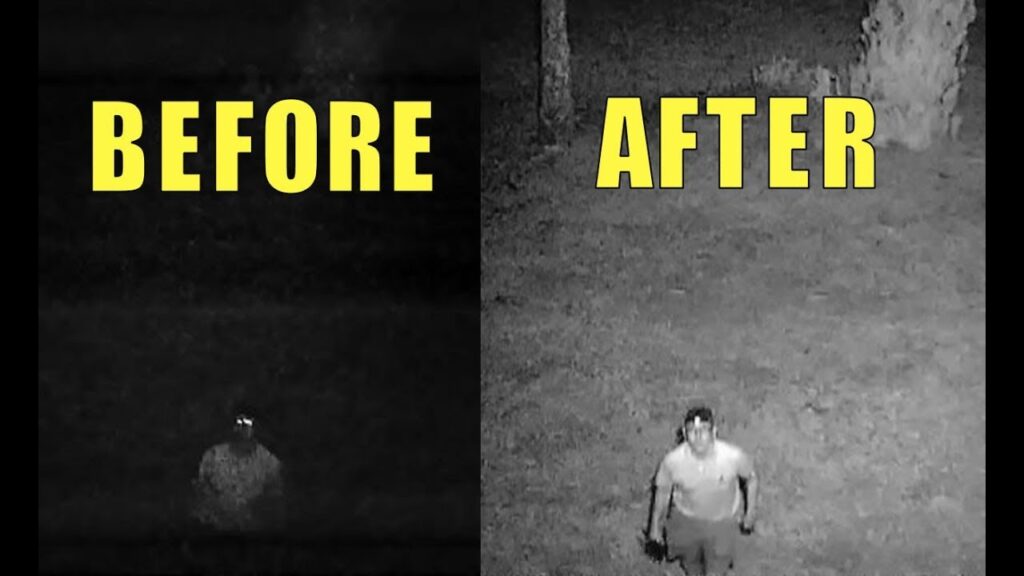
A night vision infrared camera uses infrared light to capture clear images in complete darkness. It detects heat or reflected IR light that’s invisible to the human eye, making it ideal for security, wildlife observation, and nighttime photography. These cameras ensure visibility without needing external light sources.
FLIR Infrared Camera:
A FLIR Infrared Camera (Forward-Looking Infrared) is designed to detect heat and create thermal images, even in total darkness or fog. It’s widely used in surveillance, firefighting, and industrial inspections. FLIR cameras help identify temperature differences, making them valuable for spotting heat leaks, electrical faults, or living beings at night.
Frequently Asked Questions:
1. What is infrared on a camera?
Infrared on a camera allows it to detect light beyond the visible spectrum, capturing heat or low-light images. This makes it useful for night vision, security, and scientific purposes.
2. Where are infrared cameras used?
Infrared cameras are used in security systems, medical imaging, wildlife monitoring, industrial inspections, and firefighting to detect heat and see in darkness.
3. Can I use my phone camera to see infrared?
Most phone cameras block infrared light, but some can still detect strong IR signals like those from TV remotes. You can use an external IR lens for better results.
4. Why is infrared visible in cameras?
Infrared is visible in cameras because their sensors can detect wavelengths outside the visible range, allowing them to capture heat or light unseen by human eyes.
5. What does infrared do to cameras?
Infrared enables cameras to take clear pictures in darkness or fog by detecting heat instead of visible light, enhancing visibility in low-light conditions.
6. What is the main purpose of infrared?
The main purpose of infrared is to detect heat and provide clear images in dark or obscured areas, widely used in surveillance and thermal imaging.
7. Is an infrared camera safe?
Yes, infrared cameras are completely safe as they only detect infrared radiation and do not emit harmful energy or rays.
8. What exactly is infrared?
Infrared is electromagnetic radiation with wavelengths longer than visible light, commonly emitted as heat from objects.
9. How do I know if my camera is infrared?
Point a TV remote at your camera lens and press a button—if you see a flashing light on the camera screen, it can detect infrared.
10. What are the disadvantages of infrared cameras?
Infrared cameras are expensive, can’t see through glass or water, and often produce lower-resolution images compared to regular cameras.
Conclusion:
Infrared cameras open up a fascinating world invisible to the naked eye, allowing us to capture heat, see in total darkness, and explore unseen details in nature, security, and industry. From night vision to thermal imaging, IR technology has transformed photography, surveillance, and scientific research. Modern advancements like FLIR cameras and infrared conversion make this technology more accessible and versatile than ever. While there are limitations, such as cost and lower resolution in some cases, the creative and practical possibilities are immense. Whether for professional use or artistic exploration, infrared imaging continues to expand the boundaries of what cameras can see.
About the Author