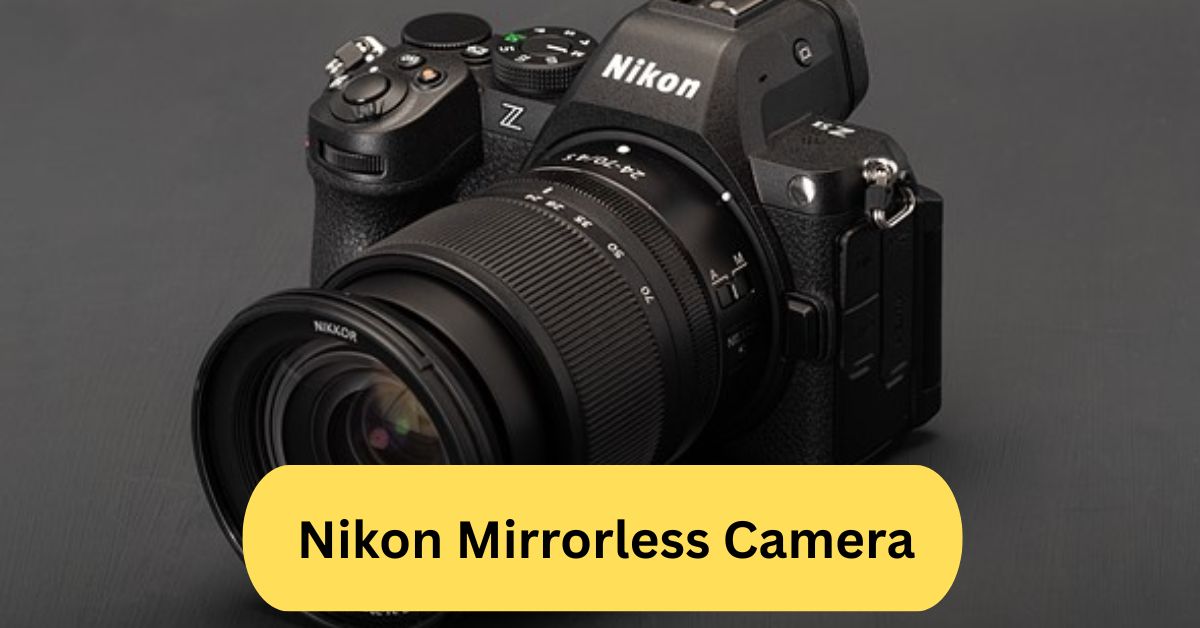
I once used a Nikon mirrorless camera on a trip, and I was impressed by how lightweight it felt compared to my old DSLR. The autofocus was super quick, and the photos came out sharp with vibrant colors, making it perfect for both travel and everyday shooting.
A Nikon mirrorless camera offers high-quality imaging with compact, lightweight designs, fast autofocus, and advanced video capabilities. It’s ideal for both photography enthusiasts and professionals who want powerful performance without the bulk of traditional DSLRs.
In this article we discuss “Nikon Mirrorless Camera.”
Table of Contents
Introduction to Nikon Mirrorless Cameras:
Nikon has been a legendary name in photography for decades, mostly dominating with its DSLR lineup. But with the shift in the industry, Nikon stepped into the mirrorless camera market with the Z-series, offering advanced technology in compact designs. Today, Nikon mirrorless cameras are loved by both beginners and professionals for their superb image quality, powerful autofocus, and versatile lens options.
What Makes Mirrorless Different from DSLR?
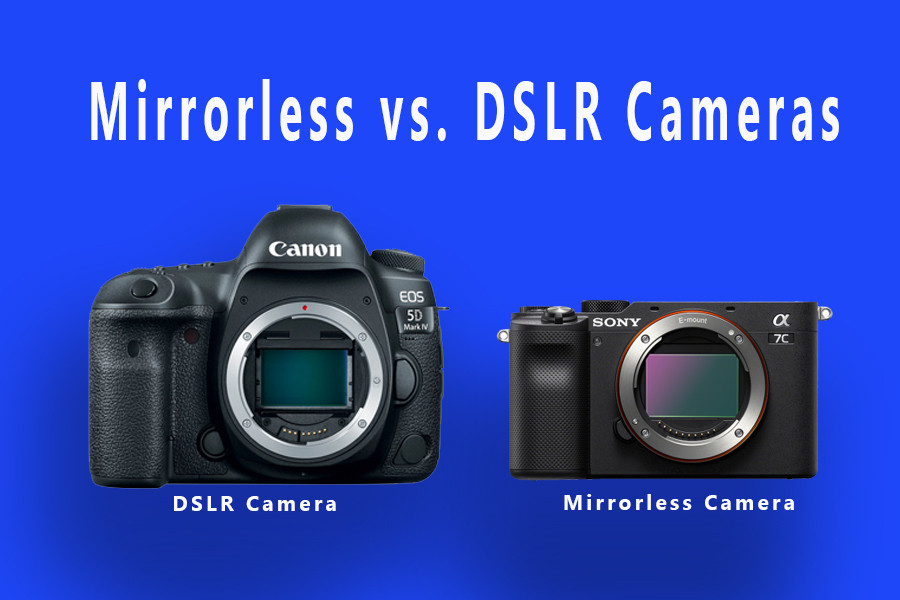
1. Key Structural Differences:
DSLRs use a mirror mechanism to reflect light into an optical viewfinder, while mirrorless cameras use an electronic viewfinder (EVF) or LCD screen. This makes mirrorless cameras lighter, more compact, and mechanically simpler.
2. Weight and Size Benefits:
A Nikon mirrorless body is noticeably smaller than a Nikon DSLR, making it easier to carry during travel and long shoots without sacrificing quality.
Evolution of the Nikon Mirrorless Series:
1. Nikon’s Journey from DSLR to Mirrorless:
Nikon initially dominated with DSLRs like the D850 and D750, but with growing demand for compact, high-tech cameras, it launched the Z-series in 2018.
2. Z-Mount System Explained:
Nikon’s cutting-edge lens mount for mirrorless cameras is called the Z-mount. Because of its large diameter and short flange distance, more light can reach the sensor, resulting in faster lenses, clearer photos, and improved low-light performance.
Top Features of Nikon Mirrorless Cameras:
1. Image Quality and Sensor Performance:
Nikon’s mirrorless cameras use full-frame and APS-C sensors with excellent dynamic range, color accuracy, and low-light performance.
2. Autofocus System:
Nikon has significantly upgraded autofocus with Eye-Detection AF, Animal AF, and 3D tracking, making it easier to capture sharp images of moving subjects.
3. Video Recording Capabilities:
Nikon mirrorless cameras, which record in 4K UHD and 8K RAW, are a videographer’s paradise. Professional-quality video with no recording limits is supported by models such as the Z9.
4. Electronic Viewfinder (EVF):
The EVF provides a real-time preview of exposure, white balance, and depth of field, helping photographers get the perfect shot without guesswork.
Popular Nikon Mirrorless Models:
1. Nikon Z5:
An affordable full-frame option, perfect for beginners stepping into mirrorless photography.
2. Nikon Z6 II:
A hybrid camera ideal for both photography and video, offering speed, low-light performance, and 4K video.
3. Nikon Z7 II:
High-resolution powerhouse with a 45.7 MP sensor, best for landscapes, portraits, and studio photography.
4. Nikon Z9 (Flagship):
The professional-grade flagship with 8K video,120 fps burst shooting, and no mechanical shutter makes it one of the most advanced cameras on the market.
5. Nikon Z30:
Designed for content creators and vloggers, offering a compact body, flip screen, and strong video capabilities.
Full-Frame vs APS-C in Nikon Mirrorless:
1. Who Should Choose Full-Frame?
Full-frame cameras like the Z6 II, Z7 II, and Z9 deliver better low-light performance, depth of field control, and dynamic range. Ideal for professionals.
2. Who Should Choose APS-C (DX)?
Cameras like the Z30 and Z50 are budget-friendly and compact, suitable for beginners, vloggers, and casual photographers.
Nikon Mirrorless for Photography:
1. Portrait Photography:
With Eye-Detection AF and fast prime lenses, Nikon mirrorless cameras are excellent for portraits.
2. Landscape and Travel Photography:
The high-resolution sensors and wide-angle Z lenses make Nikon mirrorless ideal for capturing stunning landscapes.
3. Wildlife and Sports Photography:
Cameras like the Z9 excel in action photography with fast burst rates and advanced tracking.
Nikon Mirrorless for Videography:

1. 4K and 8K Capabilities:
Nikon’s Z-series supports high-quality video recording with excellent color profiles for post-production.
2. Vlogging Advantages:
Lightweight models like the Z30 with flip screens are tailored for vloggers.
3. Professional Filmmaking with Z9:
The Z9 has already been used in professional film production thanks to its RAW video output and 8K resolution.
Lens Ecosystem: Nikkor Z Lenses:
1. Wide-Angle Lenses:
Perfect for landscapes and interiors, like the 14-24mm f/2.8 S.
2. Standard Zoom Lenses:
Versatile options such as the 24-70mm f/2.8 S suit everyday photography.
3. Telephoto Lenses:
Perfect for wildlife and sports, such as the 100-400mm f/4.5-5.6 VR S.
4. Prime Lenses:
Sharp, bright lenses like the 50mm f/1.2 S are perfect for portraits.
Using DSLR Lenses with Nikon Mirrorless (FTZ Adapter):
Nikon allows DSLR users to adapt F-mount lenses to Z-mount bodies with the FTZ adapter, ensuring a smooth transition.
Battery Life and Usability:
While mirrorless cameras traditionally had shorter battery life, Nikon’s recent models like the Z9 offer improved endurance, lasting through professional shoots.
Advantages of Nikon Mirrorless Cameras:
- Compact and lightweight design
- Advanced autofocus with eye detection
- Superior video capabilities
- Wide Z-mount lens compatibility
Drawbacks of Nikon Mirrorless Cameras:
- Higher cost compared to entry-level DSLRs
- Shorter battery life in some models
- Limited third-party lens support compared to DSLRs
Nikon vs Canon vs Sony Mirrorless:
1. Nikon’s Strengths
- Exceptional image quality
- Robust build quality
- Competitive pricing vs Sony
2. Areas for Improvement:
- Slower adoption of third-party lenses
- Smaller APS-C lineup compared to Canon and Sony
Best Nikon Mirrorless for Beginners:
The Nikon Z30 and Z50 are lightweight, reasonably priced, and perfect for casual and vlog shooting.
Best Nikon Mirrorless for Professionals:
The Z9 is the ultimate choice for professionals needing speed, resolution, and video power.
Tips for Choosing the Right Nikon Mirrorless Camera:
- Consider your budget and needs (beginner, enthusiast, or pro).
- Choose full-frame for advanced work, APS-C for casual use.
- Check lens availability for your photography style.
Future of Nikon Mirrorless Technology:
Nikon is investing heavily in AI-driven autofocus, improved battery life, and 8K+ video technology, ensuring its mirrorless cameras remain future-proof.
Nikon mirrorless camera price:
Nikon mirrorless camera prices vary depending on the model and features. Entry-level options like the Nikon Z30 start around $700–$900, while advanced models such as the Nikon Z8 or Z9 can range from $3,000 to $5,500.
Nikon mirrorless camera list:
Nikon Mirrorless Camera List: Nikon’s mirrorless lineup includes the Z series, such athe Nikonn Z9, Z8, Z7 II, Z6 II, Z5, Z50, Zfc, and Z30. These models range from professional full-frame cameras to compact APS-C options for beginners and content creators.
Nikon mirrorless camera full frame:
A Nikon mirrorless full-frame camera offers superior image quality, wider dynamic range, and excellent low-light performance. Popular models like the Nikon Z6 II and Z7 II are ideal for both professional photography and videography.
Best Nikon mirrorless camera:
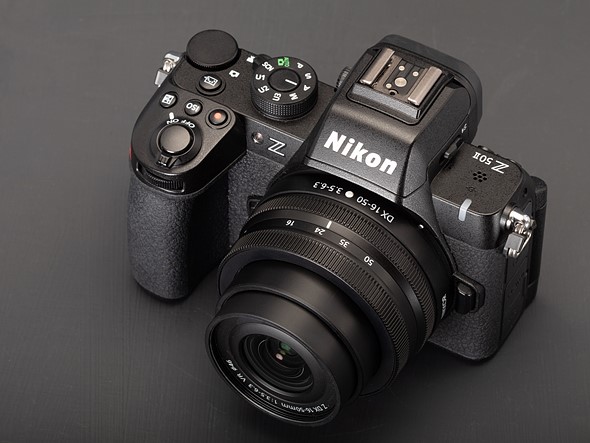
Best Nikon Mirrorless Camera: The Nikon Z9 is considered the best Nikon mirrorless camera, offering a 45.7 MP sensor, 8K video, fast autofocus, and pro-level performance. For enthusiasts, the Nikon Z8 and Z6 II are excellent alternatives with powerful features at a lower price point.
Nikon mirrorless camera review:
Nikon mirrorless cameras deliver excellent image quality, fast autofocus, and compact designs, making them a strong choice for both beginners and professionals. They combine advanced features with user-friendly controls, ensuring sharp photos and smooth 4K video performance.
Frequently Asked Questions:
1. Is Nikon mirrorless better than DSLR?
Yes, Nikon mirrorless cameras are lighter, faster, and better for video, while DSLRs still have longer battery life and optical viewfinders.
2. What is the major drawback of a mirrorless camera?
The main drawback is shorter battery life, plus they can be more expensive with fewer lens choices compared to DSLRs.
3. Which is better, Nikon or Canon?
Nikon is strong in low-light performance and sharpness, while Canon is famous for its color science and wider lens range.
4. Which is better, full frame or mirrorless?
Full frame is a sensor size, and mirrorless is a camera design—when combined, a full-frame mirrorless gives the best results.
5. Do professional photographers prefer DSLR or mirrorless?
Most professionals are moving to mirrorless for portability and speed, though some still use DSLRs for reliability.
6. Which brand is best for mirrorless cameras?
Sony leads in innovation, Nikon in image quality, and Canon in colors and lens variety.
7. Which Nikon mirrorless to buy?
Pros should go for the Nikon Z9 or Z8, enthusiasts for Z6 II/Z7 II, and beginners for the budget-friendly Nikon Z30.
8. Which mirrorless camera should I buy for beginners?
The Nikon Z30, Canon EOS R10, and Sony ZV-E10 are easy to use, affordable, and perfect for learning.
9. Do mirrorless cameras take better pictures?
Yes, they offer faster autofocus, sharper images, and better video, but lens and sensor quality still matter most.
10. How many megapixels is a good camera?
20–30 MP is enough for most users, while 40 MP+ is ideal for professionals needing high detail.
Conclusion:
Nikon mirrorless cameras combine portability, power, and cutting-edge technology, making them a great choice for beginners, enthusiasts, and professionals alike. With superb image quality, advanced autofocus, and strong video capabilities, they deliver excellent results across all shooting styles. While they may cost more and have shorter battery life than DSLRs, Nikon continues to innovate with better features and lens options. For anyone looking to upgrade, a Nikon mirrorless camera is a smart, future-ready investment.
About the Author