I once used the Olympus Camedia C-3030 Zoom during a family trip, and its SmartMedia storage felt revolutionary at the time. The colors were vibrant, and even though swapping small-capacity cards was a bit of a hassle, the photos still hold a nostalgic charm today.
The best SmartMedia camera was often considered the Olympus Camedia C-3030 Zoom, known for its 3.34-megapixel resolution, excellent image quality, and compatibility with SmartMedia cards. For those interested in early digital photography, it was a popular option.
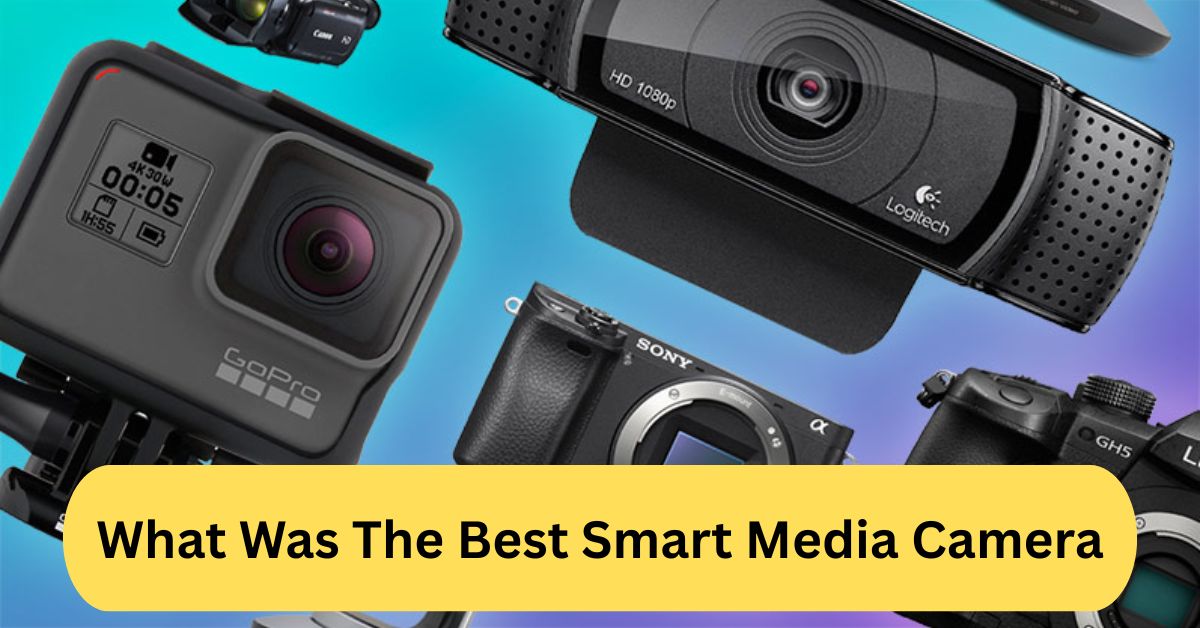
In this article we discuss about “What Was The Best Smart Media Camera”
Table of Contents
What Was the Best SmartMedia Camera?
Digital photography has come a long way, but before SD cards dominated the market, there was a slim, gold-plated little card that captured memories for millions — the SmartMedia card. From the late 1990s to the early 2000s, SmartMedia-compatible cameras were a big deal, and some models truly stood out as best-in-class for their time. Let’s take a nostalgic trip back to see which one was the ultimate SmartMedia camera.
Understanding SmartMedia Cards:
1. What Are SmartMedia Cards?
In 1995, Toshiba debuted SmartMedia (SM) cards, a type of flash memory storage. They were designed for portable electronics like PDAs, digital cameras, and audio recorders, and are around the thickness of a matchbook.
2. Technical Specifications and Features:
- Capacity: Initially 2MB to 128MB
- Format: NAND flash memory
- Speed: Decent for still photography, but slow for burst shooting
- Design: Ultra-thin, lightweight, and easy to carry
3. Advantages Over Other Storage Formats (at the Time):
In their prime, SmartMedia cards were cheaper to produce than CompactFlash and physically smaller, making them ideal for compact cameras. They also consumed low power, which was vital for early digital devices.
The Rise of SmartMedia Cameras:
1. Early Adoption in Digital Photography:
The late 1990s marked the digital camera boom. Olympus and Fujifilm were among the earliest to adopt SmartMedia, offering higher resolutions year after year.
2. Key Manufacturers Using SmartMedia:
- Olympus
- Fujifilm
- Toshiba
- Samsung
- Pentax
3. Position in the market during the late 1990s and early 2000s:
SmartMedia cameras were positioned as cutting-edge consumer devices — perfect for hobbyists who wanted digital convenience without sacrificing image quality.
Criteria for the “Best” SmartMedia Camera:
1. Image Quality and Resolution:
The best models pushed past the 3-megapixel mark when 1MP was still common.
2. Build Quality and Durability:
Metal bodies, quality plastics, and well-placed buttons made some models feel like premium gadgets.
3. Lens and Optical Performance:
Zoom ranges, low distortion, and decent aperture ranges were essential for standout performance.
4. Usability and Features:
A good SmartMedia camera wasn’t just about megapixels — intuitive menus, fast startup, and robust scene modes were equally important.
Top SmartMedia Cameras in History:
1. Olympus Camedia Series:
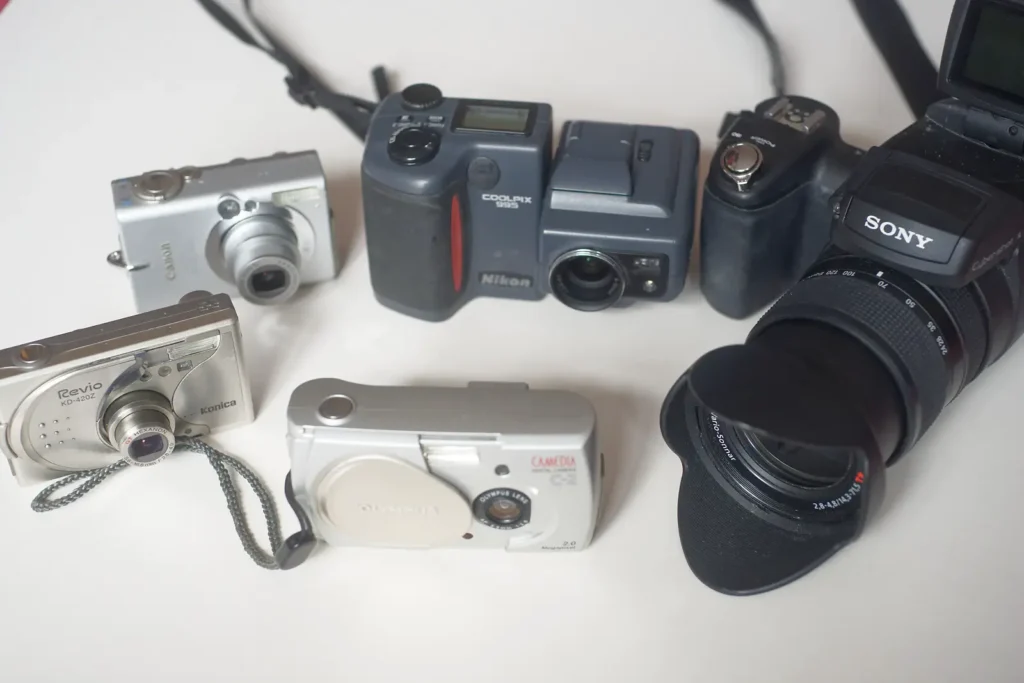
Olympus became almost synonymous with SmartMedia. Their C-series was loaded with high-quality lenses and solid ergonomics.
2. Fujifilm FinePix Series:
Known for rich color reproduction and innovative designs.
3. Toshiba PDR Series:
Underrated but technically strong, especially for their compact size.
4. Samsung Digimax Series:
Offering competitive features at affordable prices, popular in emerging markets.
In-Depth Look at the Best SmartMedia Camera:
1. Olympus Camedia C-3030 Zoom:
Released in 2000, the C-3030 Zoom quickly became a photographer’s favorite. It was the successor to the highly praised C-2020 and improved nearly every feature.
2. Key Specifications:
- Resolution: 3.34 megapixels
- Lens: 3x optical zoom (6.5–19.5mm, f/2.8)
- Storage: SmartMedia up to 64MB
- ISO Range: 100–400
- Video: 15 fps at 320×240 (rare for the time)
3. Why It Stood Out:
- Excellent low-light performance
- Manual controls rivaling early DSLRs
- Fast autofocus for its generation
- Superb color accuracy
4. Professional and Consumer Reception:
Photography magazines praised its image sharpness and feature set, while everyday users loved the easy menu navigation and sturdy build.
Other Notable Contenders:
1. Fujifilm FinePix 4900 Zoom:
A stylish, SLR-like bridge camera with 4.3MP interpolation and a powerful zoom lens.
2. Toshiba PDR-M81:
One of the first 4-megapixel SmartMedia cameras — sharp images but pricey.
3. Samsung Digimax 350SE:
Affordable, compact, and reliable for casual shooters.
The Decline of SmartMedia Cameras:
1. Emergence of SD and CF Cards:
By 2003, SD cards offered more capacity, faster speeds, and better durability.
2. Limitations of SmartMedia Technology:
- Fragile design prone to bending or static damage
- No built-in controller, relying heavily on camera compatibility
- Capacity capped at 128MB
3. Final Years of Production:
By 2005, most camera makers had switched entirely to SD, ending SmartMedia’s reign.
Legacy and Collectibility:
1. Why Vintage Tech Enthusiasts Still Love Them:
For many, SmartMedia cameras represent the “golden age” of digital photography — when innovation was rapid and designs were daring.
2. Value in Today’s Collector Market:
Mint condition units like the Olympus C-3030 or Fujifilm 4900 can fetch good prices, especially with working SmartMedia cards.
Fujifilm smart media:
Fujifilm SmartMedia cards were popular in the early 2000s for use in Fujifilm digital cameras, offering a slim design and decent performance for the time. They’ve since been discontinued and replaced by faster, higher-capacity SD cards.
What was the best smart media camera for Android?
There were no true SmartMedia cameras designed for Android, as SmartMedia cards were phased out before Android phones became common. However, older SmartMedia cameras like the Olympus Camedia C-5050 Zoom could transfer photos to Android devices via card readers or adapters.
Fujifilm Smart Media Card Reader:
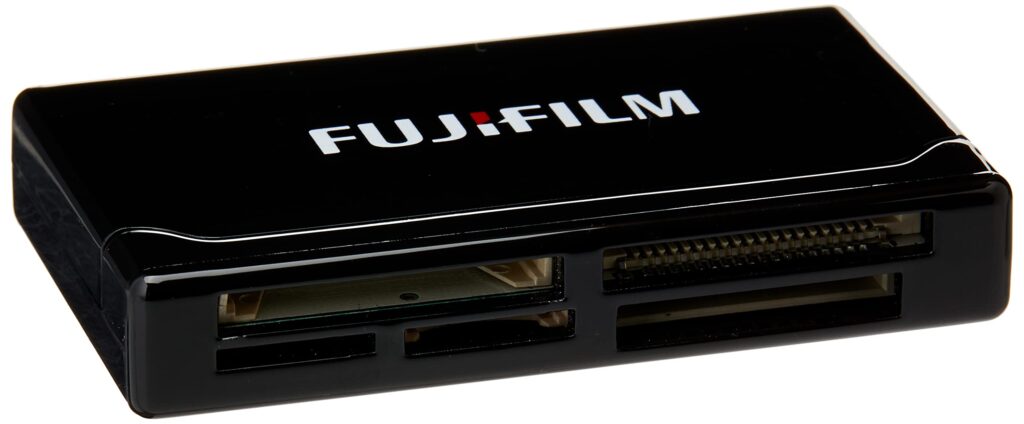
The Fujifilm SmartMedia Card Reader was a compact device that allowed users to quickly transfer photos from SmartMedia cards to a computer via USB. It offered faster, more convenient file access compared to connecting the camera directly.
Smart Media card to SD adapter:
A SmartMedia card to SD adapter allows devices designed for SmartMedia cards to read or write data using an SD card. It’s useful for transferring files or extending storage, but compatibility depends on the device’s firmware and adapter quality.
Preservation and Maintenance Tips:
- Store SmartMedia cards in anti-static sleeves
- Keep batteries removed when not in use
- Avoid extreme temperatures
Frequently Asked Questions:
1. Are SmartMedia cards obsolete?
Yes, SmartMedia cards are obsolete. They were popular in the late 1990s and early 2000s but were replaced by faster, higher-capacity formats like SD cards.
2. What is the difference between an SD card and a SmartMedia card?
SmartMedia cards are thin, older storage cards with limited capacity (up to 128MB), while SD cards are smaller, more durable, and offer much larger capacities and faster speeds.
3. What was the world’s first consumer digital camera?
The Dycam Model 1, released in 1990, is considered the first consumer digital camera, capable of capturing black-and-white images and storing them digitally.
4. Why did Kodak fail?
Kodak failed mainly due to slow adaptation to the digital photography revolution, clinging to film-based business models while competitors embraced digital technology.
5. How many megapixels is a good camera?
For everyday use, 12–24 megapixels is plenty, offering sharp images while keeping file sizes manageable. Higher megapixels are useful for large prints or heavy cropping.
6. How many megapixels can a human eye see?
The human eye’s equivalent resolution is often estimated around 500–576 megapixels, but vision works differently than a camera, processing in a continuous, dynamic way.
7. What phone has the best camera?
As of 2025, the Samsung Galaxy S25 Ultra and iPhone 16 Pro Max are among the top contenders, offering advanced sensors, AI enhancements, and exceptional low-light performance.
8. Which digital camera is best for beginners?
The Canon EOS R100 and Nikon Z30 are great beginner options, offering easy controls, excellent image quality, and room to grow with interchangeable lenses.
9. Is Canon or Nikon better?
Both brands are excellent—Canon often excels in video features and beginner-friendly design, while Nikon is praised for its dynamic range and sharpness.
10. Is it better to start with a DSLR or a mirrorless?
Mirrorless is generally better for beginners now, offering lighter bodies, real-time electronic viewfinders, and modern autofocus, though DSLRs are still great for durability and battery life.
Conclusion:
SmartMedia cameras may be a thing of the past, but they hold a special place in digital photography history. Models like the Olympus Camedia C-3030 Zoom set benchmarks for image quality and innovation in their era. While the format eventually gave way to faster and higher-capacity storage like SD cards, SmartMedia’s legacy remains a nostalgic reminder of how far technology has come. For collectors and vintage tech lovers, these cameras are more than tools — they’re timeless pieces of photographic evolution.
About the Author